By: Gabriela Yareliz
Aziz Ansari grew up in South Carolina. I was discussing this, and how he talked about being different as a kid.
Here in NYC, people have a habit of even categorizing their own ethnicity as those who are from here and those who are “fresh off the boat” so to speak. I witnessed this at the hair salon not long ago.
“She won’t go on vacation…”
“Is she off the boat… good gawd these immigrants love to suffer. They can’t enjoy anything.”
These were middle aged Italians talking about their own immigrant parents. Wild. Kids in schools can be more cruel.
Actual immigrants have a whole story in belonging. It’s tougher for them. I can’t pretend to know what that feels like. My story is more like Ansari’s— I was born here, but I am not white. We have our own stories.
As a kid who went to many schools where I was the only Hispanic kid in the school (basically every grade except when I when to school in the South), I was treated like I was off the boat, just because I spoke Spanish at home and was bilingual and had darker hair. God help you if you say you speak another language other than English at home. You were automatically placed in ESL and had to scheme a way out of it.
Hell, even in South Carolina, I was never able to claw my way out of ESL class. (I spoke perfect English; it was more their laziness to not want to change my schedule). So I stayed and helped other students with their English, including a nice Haitian girl I befriended who spoke zero English. Only in Florida did they release me from ESL because the lady said my essay was better than the monolingual English speakers.
Don’t laugh, but not that long ago, one of my childhood friends gave me a book about Dominican immigrants because she thought I would enjoy it and share in the immigrant experience story. Naturally, I was like wtf— girl, I was born here, and I am not Dominican. Not that it truly matters, but my family doesn’t share in any of these experiences when it comes down to nuance.
It wasn’t so much that she thought that I was Dominican or an immigrant that offended me (I love and grew up surrounded by immigrants) but it was the fact that she didn’t care to know me; after years of friendship, she still really didn’t know some of the most basic things about me but definitely assumed. It dawned on me that even when I thought I belonged, I didn’t. My friends in this small, very white midwestern town still lumped me in a bucket as different and never cared to look at the details regarding who I was. In their minds, I speak Spanish, so naturally, there had to have been a border crossing or visa overstay somewhere in my past. I was always Miranda and never Lizzie McGuire.
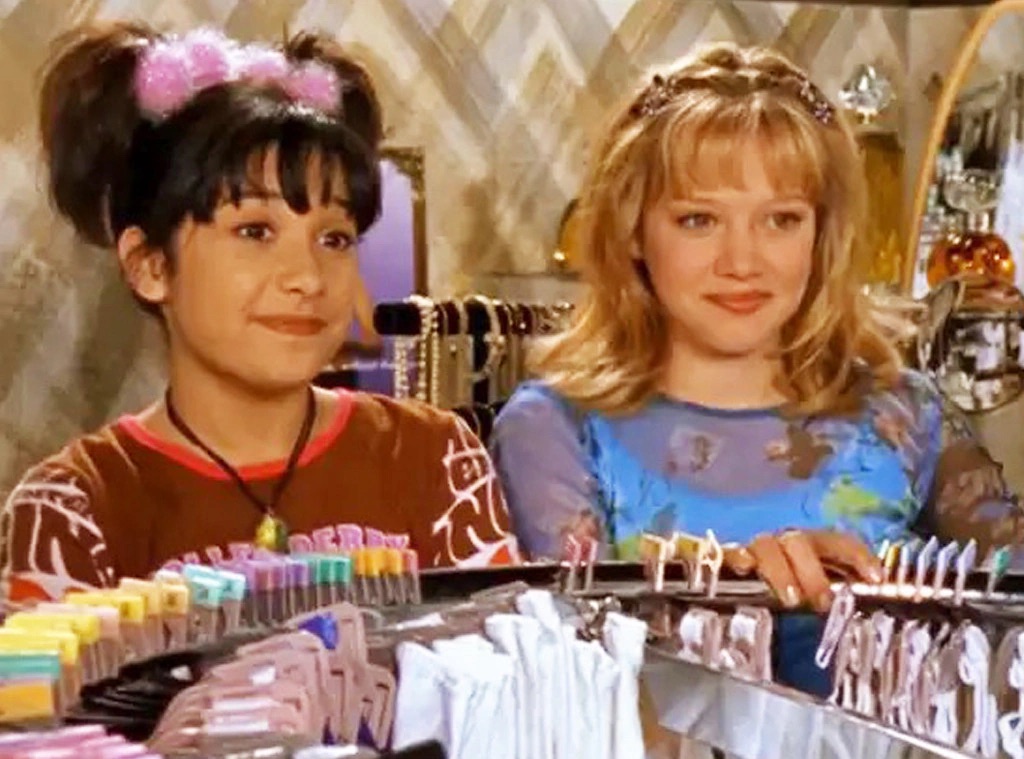
It made me reflect on what it takes to belong with a group of people. When do they come to accept you or is this a thing that never happens (depending on the group)? Do they still give you books on the Dominican experience in your late twenties after you have known them for years?
Belonging is important, though, and critical to our wellbeing.
It’s ironic to me that people see the South as such a backward place, and yet to me, it was the place where I did feel I belonged. I didn’t feel different. My friend pool was diverse in Florida and it didn’t cross our minds, and if I ever felt different, it was probably due to church going, carrying that mini green Bible in my backpack and wearing my long Amish-looking denim skirts from church summer camp. I was ok with that difference.
The South has a way of fostering community in different ways. Seeing packed college football stadiums this week reminded me that sports is a powerful binder. And when you are in, you are in. You put on that t-shirt, paint your face and say no more. Brotherhood. Sisterhood. Maybe that’s why Florida always felt like home. I didn’t have to prove anything or have some fake immigrant story pegged onto me. To that place and group of people, I just was. I am grateful for that.
We all need a place where we just are. Permission to be human.
Do we belong when others say we belong? Do we belong when we say we belong? Or do we belong when we find a gap and space to just be (and find people who are doing the same)? Nothing to prove and freedom and space to relax.
Elizabeth Brewster, the Canadian poet, said a line I have never forgotten that is inscribed in my soul, “People are made of places.” And some places do it right.
For me, Florida is that place. This week, I saw a random video of college students jogging on Barstools (with no obvious identifiers), and I said, that looks like UF. And you know what? It was. I know that place down to every damn brick at a glance.
Maybe belonging is found in the place where we find the gap and space to sit down awhile, laugh, heal, and just be. I think that’s it.
Some never find it; some get judged even by their kids who are in middle age; some of us are lucky and feel its embrace. And here’s the thing— once you embrace it, no matter where you go, you belong. You belong to it, and it belongs to you.
My desire is that each of you finds that place where you belong with no story or judgment attached to how you speak, your clothes or your skin tone. Everyone wants to be known, truly known. It may be a college bench or an open field, but whatever it is, it’s worth finding. It’s worth finding the gap and space and the people who accept you and know you and your story; the ones who think you are funny or smart or just good vibes. It’s worth letting go of every stereotype and assumption— and just being. Being your full self.
And one last thing— if you feel like you have never belonged, please know that you belong here with me.
Belonging is worth sharing, and it’s definitely worth celebrating. See someone, this week. Really, truly see them.
Offer belonging.
That’s home state behavior. 🧡 🐊 💙 🍊 🌴

