Testy

Image of Charles de Gaulle via Foreign Policy

By: Gabriela Yareliz

I am currently reading Harvard Economist Peter Navarro’s book In Trump Time: My Journal of America’s Plague Year. The book documents his notes and journal entries throughout his time in the past administration, specifically regarding his time on the task force when COVID-19 came onto the scene. It details discussions with Fauci in the situation room, votes taken, arguments had, decision making and how certain decisions were arrived to. It’s interesting to read hindsight something that feels so close.

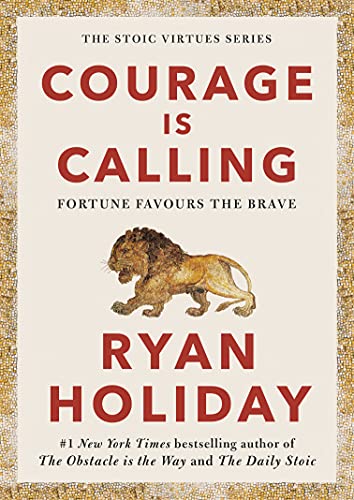
As I mentioned not long ago, I finished Courage is Calling by Ryan Holiday, which left me with a quote I’ve been churning around in my mind. It was one I included in my June 2022 favorites: “That is what de Gaulle realized about Hitler. That his force was entirely dependent on the ‘cowardice of others.’”

This quote has stuck with me like glue because it is so relevant to how things are moving in the world today. It also highlights how courage (and cowardice) can change the course of the world and people’s lives. In the past two years, I have been pretty vocal on the topic of cowardice and how it pertains to the church, government and society at large (see Leadership and A Society of Cowards for more). When you listen to how people express themselves, a well-maintained fear seems to be seeping out of people’s pores.

We’ve seen cowardice be used and weaponized to arrive to where we are today. Just recently, I was listening to a clip from the TSC Him and Her Podcast with International Water Scientist Robert Slovak. You can read a bit of their interaction below:

Robert Slovak: “There is a plan for the control of humanity and that plan is moving forward at full force like it never has before. We are moving toward a dystopian society in which we are going to lose all control, everything will be censored.”

Michael Bosstick: “My biggest fear during the pandemic was actually not the disease or the sickness. My biggest fear was how complacent people got so quickly. How eager they were to give up their basic rights. People would say, Well it’s a scary time and people are dying, and I’m like, Yes, of course that has happened through history. This is not the first pandemic that’s happened with our species. What was starting to see [sic] was how many people in positions of power were so eager to exhibit that power over other people, and we all can see this now looking two years back, and how many other people were so eager to let them exhibit that power over them. The strategy is smart too cuz it’s done in the name of righteousness, right? It’s done in the name that maybe [if] you question or you’re against any of these things, that you’re a bad person that doesn’t care for other humans.”

It’s undeniable that this form of manipulation has been rampant.

Where there is no evidence that change is needed or beneficial, one only changes or molds one’s behavior to please others when one puts weight on the thoughts of others above one’s own. When one’s actions are due to the fear of being labeled in a certain way or being ostracized. Our desire to be seen a certain way, even if it goes against our conscience– our desire to be perfectly obedient to a system that doesn’t care about us and lies to us continuously, our apathy that allows us to follow along and makes us prevent the hard work of asking questions and investigating– all of this is a form of cowardice. It is a cowardice that humanity very easily falls into and justifies. It’s not easy to go against the grain, but courage never is. (And we aren’t discussing recklessness. That isn’t courage. Courage is calculated and has an element of wisdom and truth to distinguish it).

So, what does this have to do with the Ryan Holiday quote about de Gaulle’s discovery regarding the ingredient for Hitler’s success? (“That is what de Gaulle realized about Hitler. That his force was entirely dependent on the ‘cowardice of others.’”) Well, I started to think about how true this was in history and how true it is today, and then it got me thinking about the antithesis.

Scientist Robert Slovak may be right, and he may be wrong. Whatever it may be, if we continue on the track we are on, it’s clear this is not going to end well. If we read Scripture and truly look at what prophecy tells us about the world’s trajectory, we know it is going to be a wild ride.

I was meditating on how for Hitler and the Nazis to flourish, they needed people who were cowards, who wouldn’t question or stand up to anything. (Those who did, died. I mean look at Bonhoeffer and the ten Booms. Rebellion is costly). In fact, de Gaulle’s own France buckled under the pressure. It preferred invasion and compliance with Nazis if it meant it had some sort of “security and normalcy.” It took a man they tried to assassinate multiple times and called crazy (de Gaulle) to set it straight and bring it back to dignity. Hitler and the Nazis sought power over people, and they had it.

Jesus’ and the Church’s success requires quite the opposite of what Hitler required and it seeks quite the opposite too. (And by the Church I don’t mean a corrupt entity but the followers of Jesus). It seeks not power over others but service to others. It required and still does, courage. An impossible amount of courage. Jesus walked a precarious road to the cross. He risked everything to gain us. Jesus tells His followers they will be reviled, persecuted (Matthew 5:11), and that they are here to be a light to the world (Matthew 5:14-16). A compass. A people who mark North every single time. For the Church to succeed in being a place that is set apart and on fire for God, its individuals must be courageous.

It means not seeking to blame or apathetically follow along, but it means taking responsibility and choosing right. It means choosing what is right and following conscience no matter what the cost. In fact, many of the non-Jews who were killed in the Holocaust was due to the fact that they followed these principles. They did not shield themselves with the current-day Church permissions or flow of things. They sought not convenience. They stood out. They stood out like a thorn in the shoe of everyone who wanted to keep walking backwards. Their behavior matched their conscience. They had courage in word, idea and deed. In defiance, they hid people, they cared for people, they died for people.

A courage like this is supernatural. The thing that makes it available is that God promises to equip the willing and honest heart (Hebrews 13:20-21). The supernatural is gifted to us, it doesn’t come from us.

There are whispers of recession, another pandemic, more government control, collapsing governments (just this morning the UK’s Boris Johnson resigned from being head of his party). Things in this world escalate and crumble quickly.

And yet, God continually is telling us, “Do not be afraid,” and that He is with us “always, even unto the end.”

In this very moment, I don’t have a fear of what may come. I don’t think this comes from some moral or spiritual superiority at all. Nope. I think it comes from evidence. God calls us to build our relationship with Him based on faith and evidence. Let’s take the principle of tithing, for example. Giving 10% of what you have to God because all we have belongs to Him. It is an act done in acknowledgement of His status as provider of ALL THINGS. King of the universe. Tithing is something I take very seriously. Someone might think this 10% is insignificant, but that is just the thing. The small things become big.

I love the verse where God invites us to tithe. He doesn’t invite us to tithe only when things are going great and we can give out of our abundance. No. He calls us to tithe, always. It has to do with the relationship we have with Him and who we believe Him to be, not our circumstances.

He tells His people: “Bring the whole tithe into the storehouse, that there may be food in my house.” He continues saying, “Test me in this,” says the LORD Almighty, “and see if I will not throw open the floodgates of heaven and pour out so much blessing that there will not be room enough to store it.” (Malachi 3:10)

God wants to bless us, and He engages with us in a curious way. He says, TEST ME. He is like, I dare you. Recognize me and see what I will do on your behalf. God has been and forever will be faithful.

While the world and its governments and corporations and groups require suicidal allegiance– they require your cowardice– God requires your courage and faith. Have enough faith to test Him. Take Him at His word. Be a compass that allows His pull to bring the needle to true North every time.

Failed movements will require your cowardice, but God requires the best of you. Get testy.

American Wealth: Freedom & Rebellion

(Image via Pinterest)
You can hear me talk about this, though I also recommend you take a look at the linked videos below whose audio cannot be included on Soundcloud due to copyright. xx

“Rebellion to tyrants is obedience to God.”

Benjamin Franklin

By: Gabriela Yareliz

It’s Independence Day. A day that reminds us that a ragtag bunch with a burning passion and insatiable desire for liberty can prevail.

We have grown in this country to value duty, courage and sacrifice. This moving WW2 veteran has gone viral. His emotion and words touched me. It is this same sentiment that has driven me to write about this country.

Is our country flawless? No, by no means. But as someone who has criticized this country’s flaws, I recognize that criticism should be accompanied by the love you feel for country. It’s like a parent when they communicate to correct a child. You criticize to improve things, to show a lesson, not to destroy the very values that have given you the opportunity to criticize it. Our country is steeped in a deep dissatisfaction that leads me to believe we really don’t understand what we have and what it has cost. It has cost the lives of others. Entire lives and families’ lives have been shaped by the sacrifice that has preserved this country’s greatness.

There are people and entire political parties that have this sense of entitlement, these days. We want what we want, when we want it. We want to eliminate the Supreme Court (like petulant children). People want to preserve abortion for rape cases (they argue), and these same people have pushed the legislation that makes it so that the rapist walks out free that same day and can do it again and again. This is not caring for true victims (if it were, we would have different policies), but simply a desire to protect self-interest. Once that self-interest is touched negatively, people flee. Politicians who once pushed to defund police have moved out of their cities (that they destroyed) because they have become unlivable and pure anarchy. This is where we are now. This is not where we have always been. Before parents were taking their children to drag shows and tucking dollar bills in thongs, we had an order and value system in this country. I remember it. I miss it.

This country was built on the dignity of human life. Some in recent time have trashed the Constitution, not realizing that this document gives them the ability and freedom to live unlike others around the world. Every time I read it, I get chills. It was written by slave owners, they say. While the human beings were flawed and didn’t execute on these principles in the way that they should have, the principles were correct. These were the same principles those who fought for civil rights hung onto–

“We hold these truths to be self-evident: that all men are created equal; that they are endowed by their Creator with certain inalienable rights; that among these are life, liberty, and the pursuit of happiness.”

Declaration of Independence (July 4, 1776)

Nationalism has been argued to be the great sin of our day. Nathan Finochio has some interesting thoughts on this:

“Nationalism has been blamed for Empire, but as Chesterton once noted, no man committed adultery because he loved his wife too much. Nationalism is not about exclusivity, but rather priority. And if a man cannot love his country well, he will never love another country properly. And this is the root of all the failure of modern international politics: men do not rule and love their own house well, therefore, they treat other countries as mere mistresses. And that is exactly what Empire is.”

Nathan Finochio

How do we return to loving our “wife,” our dear country and all that has been fought for? There is a story (short film) in the film Paris, Je t’aime. It is about this man who is having an affair and decides to let his wife know finally, that he is leaving her and does not love her. (All morality thrown out the window). They arrive to the eatery where he has invited her to, and she breaks some news to him first. She is sick– terminally ill.

When he hears this, he decides to not leave her. Instead, he takes care of her and ends his affair. He starts studying her again and paying attention to the little quirks she had that annoyed him. He begins to fall in love with her all over again. She wears this loud red jacket, and when she passes, he sees this jacket everywhere. The red jacket, a symbol of love and his beloved.

It is a fact that we “fall out of love” with that which we have made judgments about so that we stop looking closely at it. We are annoyed, and we create a distance with its perceived flaws. What if we took the time to take a closer look again?

What if we took the time to read the Declaration of Independence one more time. Let’s study the men who wrote it, recognizing that they aren’t deities but have the same flesh and blood as you and me. Let’s read the Constitution and reflect on every sentence and what the implications are of that sentence to each life within its reach.

What if we spent more time speaking to veterans like the ones in the video above, and we ask them why they fought for us and what else they fought for? What if we studied the lives of American heroes like Abraham Lincoln (a man who stood against half of his country to free a part of it and unite it), George Washington (a man humble enough to let democracy thrive; he would not be king), Frederick Douglas (a man who rebelled righteously and fought the man who would whip him. A man who knew education and knowledge set you free), General Douglas MacArthur (a brilliant strategist whose audacity and love for freedom made others shake in their boots), and Rev. Martin Luther King, Jr. (a man who believed in character above all else and in fighting for dignity).

If we took a closer look at these people and what they stood for, despite all their flaws– we would see people who deeply cared. People who had the courage to believe in not only a better tomorrow but a different tomorrow. They ventured out to do what no man had done before.

Just like the husband in the short film saw his wife’s red jacket as a symbol, maybe we could relearn to see the stripes on our flag as a symbol of love, sacrifice, honor, duty, responsibility and freedom.

Bari Weiss published a beautiful piece where immigrants discussed what they love about America. She started the piece by writing the very same things I discussed in the first post of this series:

“There’s lots of talk of privilege these days, and we are privileged here. I don’t mean white or cishet or able-bodied. I mean privileged by being in this country.

Even with all the intrusions on our freedom that we regularly document here—intrusions from government, from tech, from the hall monitors of elite culture—we still know that we are the freest citizens of any country on Earth.

We are all familiar with the complaints and critiques of America. We lodge many of them ourselves. But there’s always still that fundamental truth: Every single person in this country is lucky. Not by a little—lucky by a lot.”

Bari Weiss (Source)

These are some of the things her sources mentioned:

“I read the Constitution for the first time when I finally made it from North Korea to South Korea. I was studying English, and collecting letters of recommendation in the hopes that I would win a visa and be able to travel across the ocean to America. Even with my broken English, I teared up reading the sentences. I didn’t know then what the word dignity meant, but that was what I felt for the first time in my life.

My mother and I didn’t risk our lives trekking across the Gobi Desert so we could buy a nice car or live in a nice home. We did it to get an I.D. from a government that recognized us as human beings—not as slaves. To us, to become American was like winning a thousand lotteries.” Yeonmi Park (Source)

“So forget the whiners and the shouters, the hysterics and the cynics and those who count the seconds to midnight. Now and forever, it’s morning in America. Thank God.Liel Leibovitz (Source)

“Over the years, I’ve met people from small conservative towns in Eastern India to liberal neighborhoods on the outskirts of Vienna to religious communities in rural Mississippi who have almost nothing in common except the audacity of their dreams, their willingness to sacrifice for them, and America’s role in fulfilling them. In one generation, whether you are an immigrant from Asia or a sharecropper’s grandson, America is a place where you can accomplish whatever you set your mind to.” Roland Fryer (Source)

I encourage you to read more here. Immigrants have a lot to say about our country because they know what life is like without the principles, laws and ideals we hold dear (or at least used to hold dear).

I pray we can keep fighting for the dignity of every human life and liberty.

“France was a land, England was a people, but America, having about it still that quality of the idea, was harder to utter— it was the graves at Shiloh and the tired, drawn, nervous faces of its great men, and the country boys dying in the Argonne for a phrase that was empty before their bodies withered. It was a willingness of heart.”

F. Scott Fitzgerald

America– a willingness of heart.

We often just sing or read the first stanza of America the Beautiful, but if we read it in its fullness, it remains a timely gem.

I hope each of us gets closer, and begins to re-examine our history, the beautiful and the ugly. May we above all look at the character of men and the ideals they dreamed of. May we work for a better and different tomorrow, one that reflects the classic and timeless ideals the country was founded on. May we execute these principles with honor and integrity. May we raise a better generation.

The American Creed:

“I do not choose to be a common man. It is my right to be uncommon. I seek opportunity to develop whatever talents God gave me- not security. I do not wish to be a kept citizen, humbled and dulled by having the state look after me. I want to take the calculated risk; to dream and to build, to fail and to succeed. I refuse to barter incentive for a dole. I prefer the challenges of life to the guaranteed existence; the thrill of fulfillment to the stale calm of utopia. I will not trade freedom for beneficence nor my dignity for a handout. I will never cower before any earthly master nor bend to any threat. It is my heritage to stand erect, proud and unafraid; to think and act myself, enjoy the benefit of my creations and to face the world boldly and say -This, with God’s help, I have done.”

The American Creed

America! America!
God shed his grace on thee
And crown thy good with brotherhood
From sea to shining sea!
Oh America

American Wealth: Summers

Ocean House RI (Image by Kiel James Patrick)
You can hear me out instead of reading the post. It’s like a podcast but less formal. You will hear my dying AC and my occasional sigh, sass and chuckle.

By: Gabriela Yareliz

As I write this, I am laughing because my air conditioner is failing. (Great timing, AC, great timing). Just as I was going to speak about the aspects of what makes an American summer.

Here are some things I have learned from other people and life experience– one is that there are many countries where children are still in school during the summer. I am not kidding. There are some Asian countries that have school in different installments, by quarter (sort of). School is a year-round thing with some breaks in between the seasonal sessions. Not everyone gets the American summer. School start/end dates differ by region in the U.S. In the North, school often begins in late August and early September and then ends in mid-late June. In the South, school starts in early August and ends in late May or first week of June.

Children in the U.S. get the summers off. Summers are often filled with various activities (unless you are stuck doing summer school– but summer school means you failed something). There are some libraries that do summer reading challenges. Many schools have required reading over the summer for the next school year. Parents get their kids summer review books so they don’t forget all the math they learned the previous school year. Also, camp is a big part of American summer culture. *cue roadtrip*

(Image via Fanpop)

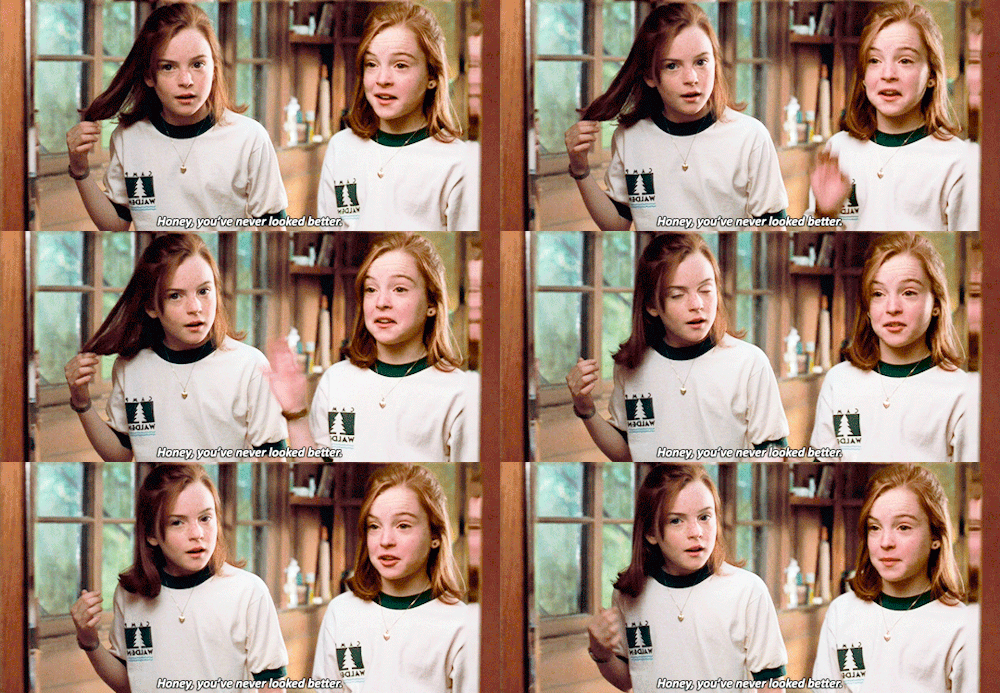
Camps are a great American staple. They help parents out who keep working year-round, and it helps kids get to know other kids and make memories. Churches like mine often have summer camps (I know Jewish brothers have their own camp system), and there are other general (non-religious) camps kids can attend. I have attended art day camps, I was a counselor at a community science summer camp where we did experiments with smaller kiddos, and then there is the general sleep away camp, without the religious element. Most people know what this looks like as it has been featured in movies like Parent Trap. It’s that camp with the tents or cabins, a bunch of pre-pubescent girls that love making bracelets, painting their nails with glitter, braiding their hair, jumping off docks into lakes and ponds, canoeing stints and pranks (not as wild as Parent Trap, but definitely pranks).

PRANKS (Image via MTV)

Camp teaches discipline. There is a morning inspection of the beds and clean-up. At the Bible camp I attended, we lined up with our unit and did morning exercises together. (If you were disciplined, you were asked to do push ups, which you concluded by saying “Thank you for strengthening my mind and body, sir.”) My favorite time was mail call, where we received letters from back home (I always missed my mom).

When you miss home… (Image via MTV)

For the kiddos who stay home, there are the day camps, but also, many churches do a free Vacation Bible School (VBS). Each year, the Bible School had a theme, and the kiddos would do crafts, do outdoor activities and sing new songs that they would then perform at the end of the camp. I remember one year, the theme had to do with ocean animals, and we got these little plastic fish in a small net bag, and there was a little blowfish figurine I was obsessed with). While Vacation Bible School had outdoor activities and elements, we spent a lot of time indoors learning Bible stories and singing and crafting in cool rooms. I remember I helped out at my cousin’s church’s VBS. Between kitchen duty (snack time and lunches), I would sit in the nice cool yellow kitchen or in the large fellowship room reading my summer reading book,The Odyssey. Something that makes an American summer distinct is the constant air conditioning. This is unique.

I have spent time in Europe in the summer, and well, the environment was very much subject to the breeze entering through the windows. An Italian YouTuber I like mentions how warm the summers can get in Tuscany. It’s a fact that not many countries have the constant modern comfort that is air conditioning. (Hell, even some New York Schools don’t have central AC). It is a thing.

People say that the heat of a Florida summer is unimaginable, but the truth is, because one is often in a car or inside, you only feel the heat when you are going from one place to another (unless you are gardening or have a broken central AC system). New York is more European (or just simply old) in that central AC doesn’t exist outside of luxury new buildings with exorbitant rents. These days, with the state of the economy, many businesses are shutting off their AC (Bed Bath and Beyond just announced that they are shutting off their ACs in summer suicide). This is a weird thing here. And I promise you, if it is a hot summer day, customers won’t stay long. The truth is, we aren’t used to the heat. We just aren’t. We are used to cool air that dries the skin and eyes but makes it so that we can take steamy hot showers year-round and feel cozy and good. We cook and don’t break a sweat in the summer. (Except here in New York City. Sigh.)

Something else that I think makes the U.S. pretty unique is the amount of families that have a pool. Doesn’t matter if it is underground or above-ground– this is a unique thing. In Europe, some stately homes have pools, and they are often below ground from what I have seen, older structures filled with dark teal water.

European Pool at Thyme Cotswolds England
European Pool in A Good Year, Chateau la Canorgue

Having a pool is not something reserved for old money, resorts or the rich. Average middle class families have private pools. I grew up swimming in our neighbor’s pool in Michigan. We had many an afternoon playing Marco Polo and throwing balls at each other. Our wet jeans on the fence or line getting stiff and drying in the summer sun.

Along with the American pool comes the grill. I don’t think anyone else has quite the BBQ culture we have (and I know other countries do BBQ, but I feel they often imitate the southern BBQ flavors and culture). Along with that, the South is known for its iced teas and fresh fruit cobblers and pies. Open a Southern Living magazine, and you will see what I mean, set at a table with red, white and blue.

(Image via Pottery Barn)

Summertime is a patriotic time. With Fourth of July around the corner, it is worth mentioning that summer is a time to be outside with family celebrating. We celebrate freedom, and we celebrate sacrifice.

(Image via Trip Advisor)

An American Summer has a lot to offer anyone whether it is free library books, a pool (YMCA, neighbors and country clubs and other places have general pools you can enjoy if you don’t have one at home), churches/places of worship and schools often have activities and there is a whole array of camps to choose from.

Just like the ubiquitous AC, there are so many things I feel are distinctly ours that are starting to change or fade. Libraries with fewer hours and fewer quality books of value, camps stop running due to COVID or sadly, crazy scandals… This leads me to wonder, if we lose the things that distinguish our way of life, does that mean that we stop being who we are?

When I think of summer, I think of camp. I come back to camp. Summer at camp changes us. (I know it changed me). We learn so much about ourselves and the world. Camp teaches us that it’s not always about what happens during most of the year, like school, but it is about what happens in the “in between.”

Summers in the U.S. are simmering with American Wealth. After a summer of the outdoor adventures, fireworks and delicious food, we return to an air conditioned school a little tanner, taller and with a colorful friendship bracelet around our ankle that still hasn’t broken off (and if we are lucky, with a couple friendships that will never break).

(Image via Tumblr)

June 2022 Favorites

Image from Theology of Home Newsletter 6-22-22

By: Gabriela Yareliz

A new month begins. June was filled with really magical and fun moments. There were victories, excitement, and stress. It was sort of a harvest month. There are months when we cultivate and months when we reap the result of serious efforts and grace. I read some incredible books on entertaining, started a French gardener novel that is like a magical world I retreat to when on the train, The Ruthless Elimination of Hurry (by John Mark Comer) proved to be one of the most brilliant books I have read in recent time, and I finished Courage is Calling by Ryan Holiday. June was a month where I reflected a lot on risk taking and the virtue of courage. I also started my American Wealth series that will continue into July.

I completed Anna Bey’s Elegant Stylist course. Her courses have really changed my mindset and vision. It has been an incredible journey of self-transformation that continues.

Anna Bey (my instructor)

June was also a month where I decided I wanted to take my fitness routine to another level. I felt like I had plateaued a bit. I would work out and not even sweat while keeping up with the instructor. This month, I found Rachael Attard through a Daily Mail article. Her workouts are tailored to your body type, and they snatch you and make you really lean in certain parts of the body where some of us bulk up on muscle. I was excited to find her, and tomorrow I start week three out of eight for my first program. I have been sweating like crazy while working out (also, it has been crazy hot). Through all this sweating, I found some Bar-D XL Aloe Vera and Tea Tree Oil wipes that are large and you can use to refresh the face and body. They are gold. Perfect for that morning PT (personal training) session, and then running off to court or work. (I needed these because they make it less likely that I will skip a workout to not be sweaty at my next engagement).

Rachael Attard

As I keep at it with this fitness challenge, I leave you with my other June favorites. I can’t believe June is gone, but here we are. A new adventure begins.

Top Posts: Summer Inspiration and A Society of Cowards

Articles:

My dad shared with me this article on ancestors and how they slept. It was so interesting, I am sharing it here. People slept a lot more and slept differently. How we sleep has evolved with our society. It is interesting to think about.

A Christian response to Pride month by Noelle Mering. (I found Theology of Home through her. And while I am not Catholic, it has some lovely articles. Highly recommend).

Karol’s NYPost column on Matt Walsh’s “What is a Woman?” (We watched this documentary this month, and it was so good).

Quotes:

The month, I read a lot about fear, courage and the people who defied fear. You will notice that a lot of the quotes are about the power of one courageous person to effect change. I hope they inspire you as much as they did me. “We each receive a call. If we don’t answer it, then we deprive the world of something. Our failure of courage ripples out beyond us, into the lives of other people,” Ryan Holiday wrote in Courage is Calling. it is calling all of us.

Hurry kills all that we hold dear: spirituality, health, marriage, family, thoughtful work, creativity, generosity… name your value.” John Mark Comer, The Ruthless Elimination of Hurry

We need a population that refuses to tolerate propaganda, rationalizations, or cover-ups. People in every station who are willing to stand up and say, ‘That is not right. I won’t be a part of it.’ We need you to say that.” Ryan Holiday, Courage is Calling

My favorite people have a really rare combo of humility and confidence. They toe that line. […] Humility makes you curious… it makes you want to grow.” Ed Mylett

The secret of joy is Christ in me– not me in a different set of circumstances.” Elisabeth Elliot

… to tell the truth is not a license to be cruel. Socrates was trying to help people get to what mattered. His intention was not to offend, only to teach. […] Society cannot function without this type of character.” Ryan Holiday, Courage is Calling

I believe that one of the most important things to learn in life is that you can make a difference in your community no matter who you are or where you live.” Rosalynn Carter

The wilderness isn’t the place of weakness; it’s the place of strength. […] Notice, Jesus came out of the wilderness with all sorts of clarity about his identity and calling.” John Mark Comer, The Ruthless Elimination of Hurry

Our liberty depends on the freedom of the press, and that cannot be limited without being lost.” Thomas Jefferson

That is what de Gaulle realized about Hitler. That his force was entirely dependent on the ‘cowardice of others.’” Ryan Holiday, Courage is Calling

We must stand together, make our voices heard and hold leaders accountable. Force our leaders in Washington to keep their oath, uphold the Constitution and take action to restore and protect our freedoms. If not, they don’t deserve the honor of the office they hold.” Tulsi Gabbard

People say it’s not ambitious, but it is actually quite ambitious wanting to help people.” Prince William

People who don’t have purpose, will always be offended by those who do.” Steve Harvey

The belief that an individual can make a differnce is the first step. The next is understanding that you can be that person.” Ryan Holiday, Courage is Calling

Videos:

Thoughts from Noelle Mering author of Awake Not Woke (recommended by my dad. It really is excellent).

Steve Harvey on not giving up (this made me cry and smile). He forever inspires me:

God is always coming. He is never too late.”

M.I.A.’s Vision:

Indy100.com

I wrote a post about her life-changing experience. Find it here.

“I am. I’m not going to lie. Then when I had this vision, it turned my world upside down. I kind of couldn’t let go of the Tamil side. I think that’s why 50% of the record is sort of like that. Because I’m still me. That’s still my language. And those are still my tools to be able to create beats like that or a sound like that. But I think the message was just to get to a peaceful place. Watch the space. The history is, even if it costs me my career, I won’t lie. I will tell the truth, and I will tell you what’s on my mind and my heart. If I’m coming back now saying Jesus is real, there’s a point. Basically all of my fans might turn against me…”

M.I.A. (source)

Ed Mylett on Success:

Image from TSC Podcast

Ed Mylett on the TSC Him and Her Podcast talking about his new book The Power of One More, discussing how we are often one decision away from changing everything and achieving our dreams. Listen here. I love Ed Mylett. He is so inspiring.

Intrigued By:

Sara Al Madani

Lady Victoria Hervey

***

If you have made it this far, thank you! I hope you enjoy these gems and find yourself inspired and encouraged.

May you have a fearless (and slow) July. Cheers!

American Wealth: Education

Image by Ian Koski

By: Gabriela Yareliz

You can hear me instead of reading the post, like a podcast, but less formal.

I remember walking down the halls at school, that particular smell of school filling the air. The walls that are half concrete brick, covered in that glossy white paint. The lockers. Learning about sewing machines in Home Economics and eating lunch on the bleachers outside. The ever-changing bulletin boards. The noisy cafeteria with square pizzas and strawberry milk. The difference between college and wide-rule paper on the back-to-school list you find at Wal-Mart, sorted by school. The planners (my addiction to planners was born in the American education system– God bless).

When I meet other people and we swap stories from schools and childhood, I am always eternally grateful for my education. Growing up, I moved around a lot. I experienced different systems and was educated in several different states, both North and South.

Michigan was a dreamy state. As all four seasons are experienced, it was a very seasonal state. The schools were always decked out for each holiday. I remember boards filled with autumn leaf borders, making ornaments for the Christmas tree and playing with a dreidel. My teachers were phenomenal. They had heart and really cared.

We had storytime. It was at this time that the teacher read to us– I got into the Little House on the Praire series during storytime. I also fell in love with Addy’s story. She was the American Girl that escapes slavery. Her courage and adventure filled me up. We looked at a lot of historical stories, and they were mostly collaborative stories between people who were different. In Michigan, we study the different indigenous tribes of Michigan by region. I still remember a beautiful diorama I made for a tribe I was studying. I included elements of nature, like sticks and leaves to make my mini world. We studied slavery and the Holocaust, and the courage of those who escaped it and ended it. I met veterans and Holocaust survivors in elementary school. We didn’t gloss over the ugliness of history, but we also did celebrate where we came together as one nation. Heroism and people helping others was at the center of most stories.

We had Accelerated Reader (“AR”) tests, where we would pick out library books with AR stickers and take quizzes on them. I’ll be honest, sometimes, I didn’t do great on quizzes, but I loved books. I was fortunate that my parents valued education highly. My family is filled with educators.

As Puerto Ricans from a small mountain town, education was our ticket to the world. Always was and still is. My parents rewarded my good grades and tallies of AR successes (they would put you at different levels depending on how many books you successfully completed). I still remember when I reached the Platinum level. I was beaming like a nerd. My little mind was always filled with anticipation when the Scholastics book fair came to town. I could pick out a book or two and a little trinket. I still have a purple calculator that had embedded glitter that I was obsessed with. It was a compromise. My parents said no to the 90s choker everyone else was wearing and getting.

We would have “lock-ins” where classes would come in their pjs and sleeping bags and read all day and compete to see which class finished the most books. Reading was prized. It was a gateway to everything.

I had a wild imagination as a kid. So much of what I did was educational. I watched a ton of PBS, which meant Wishbone, Arthur, Zoom (where kids would do experiments and build stuff– they need to bring this back), and The Magic School Bus.

At school, we also learned about raising money by selling stuff like wrapping paper, and they had a holiday store where we learned to get gifts for others and not arrive empty-handed.

While going to school in the North, there wasn’t too much representation or diversity. I often attended schools where I was the only hispanic kid. I was annoyed when people called me “Gabrielle” or said my hair was black. (I couldn’t understand why they didn’t understand the concept of dark brown). I faced my fair share of racism and being singled out by other students and at times, teachers– but while it stung, and while at times there was no one else like me in the room, it didn’t touch my dreams. I don’t know what to say, but it was sort of like a stone hitting armor. It bounced off. The fact that I didn’t see representation on TV or books like we have today, I sort of shrugged it off. I don’t even think I noticed until I was hitting puberty. In my mind, each story applied to or was for me. I could learn from everything and everyone. It didn’t matter if it was on PBS or Univision. I soaked it in.

And most importantly, my parents and school taught me that I could be anything I wanted to be. I took that to heart. The lesson was: you work for what you want, and you make it happen. No excuses. My inner motto was: If you want it, you go get it.

Schools in the South were poorer and at times more behind than the Northern schools academically. In Charleston, our elementary school science class, for example, would get a lab in a box that the science teachers would unpack, we would use the tools for learning, and then pack it back up and send it to the next classroom or school in the district. At this school, we helped paint a mural for the community and tutored kids in younger grades. While in the 5th grade, I taught a fair share of 1st graders how to read. I also taught a student English and helped her pass her classes so she wouldn’t fall behind a grade after her arrival to the country. This was a “no kid left behind” strategy. All hands on deck.

We had a British music teacher with a mullet who loved The Bee Gees and The Papas and the Mamas. He would make us sing patriotic songs over and over again and would always slap his hip keeping us in rhythm. My homeroom teacher for both years I was in Charleston at the little school by the Air Force Base was Mrs. Partridge. She loved our class so much she went from the 4th grade to 5th with us. She had this thing where she would tell us we all had a special gift, and we needed to give it back to the world. She always wanted us to shine bright. I remember the library was a tiny closet. Only one person could be there at a time. The door was wooden and split in half horizontally. Often, only the bottom part was closed, like a little wooden gate. They had books I had never seen before like diaries from a slave trade ship and other books that were bound in old red fabric. I would stay up reading my rare finds. This may have been an economically poor school, but the teachers had so much heart. We were rich.

While attending this school, I was recommended for a summer art program where I devoted hours to Italian architecture and art books, and we recreated some structures using exacto knives and foam. We made beautiful pottery, too.

When I moved to Florida from Ohio, it was a huge shift. The students were behind and also out of control. Fights would often break out in school. Kids would run around, and some teachers were sort of checked out and doing Ph.D.’s online. Even there, I had teachers who saw me. They would pass along books they were reading for their graduate programs (I am not kidding) and other advanced materials. I would be sitting at a desk in the back while kids literally turned over desks and ran wild, the teacher at her desk doing online coursework.

While the South at times had a degree of wildness, for lack of a better word, it also (on the flip side and in other environments) had an incredible degree of respect and gentility. People would respond saying “Yes, sir,” or “Yes, ma’am.”

In high school, I met some of the best teachers I have ever known. A school administrator that I would sit down and talk about life with. Looking back, we talked about some deep stuff. I loved high school, and I took it very seriously. At that point, my parents were divorcing, and I channeled all my energies into good grades and getting that ticket into college.

One of the things I cherish about the Cambridge program (my high school program) was that it taught us how to think deeply about things and not just memorize answers. Our questions were answered by essays. This was just my jam.

History was a focal point. I was a nerd and participated on Academic Team. Also, unlike the North, in the South, high schools are centers for military recruitment. People train in ROTC.

While the American education system has changed a lot in these past 20-something years since I was in it– education in my day was about teaching our past, and how we can own our future. We had a degree of responsibility to the world, not out of arrogance but out of gratitude. We were taught that limitations didn’t apply to us. I learned that from my parents, but I also attribute that to this country, which allows me to be who I am.

I remember listening to someone talk about how they had to leave a place in the Middle East because of the lack of opportunities for schooling for women. She studied abroad. It reminded me of how lucky and blessed I am to live in a place that allows me to reach my potential without needing to escape. I can dream and achieve.

Listen, I know not everyone grew up with the same wonderful educational experiences I had in this country. I have heard the stories from people who taught in the NYC school system and walked through metal detectors every day. We didn’t have the formality that many people schooled in other countries have. We didn’t stand up every time a teacher walked in the room with hands at our side, and we didn’t write on graph paper notebooks. (The only time people had hands at their side was to make sure a skirt length passed dress code). And yet, despite not having this formality, I have to say this is a place where teachers had/have so much heart. It may not be as formal, but they get down in the dirt with you and try to build something. They help you see the beauty of everything that surrounds you. They see your gift and tell you to give it away.

Even out of poor and troubled neighborhoods, we have those stories about teachers like Jaime Escalante, Stand and Deliver (movie), which proves the exact point I am trying to make.

We live in a generous country of opportunity. It is generous because the people are generous. There are good hearted people who serve others and believe in them. You can mix all these ingredients and apply them to a less than ideal circumstance, but with hard work– you really can achieve anything.

The fact that I am a woman, I can read and I can be anything I want to be– that is American Wealth.

The books and stories below are a treasure of American Wealth. A dose of nostalgia (for your summer reading list):

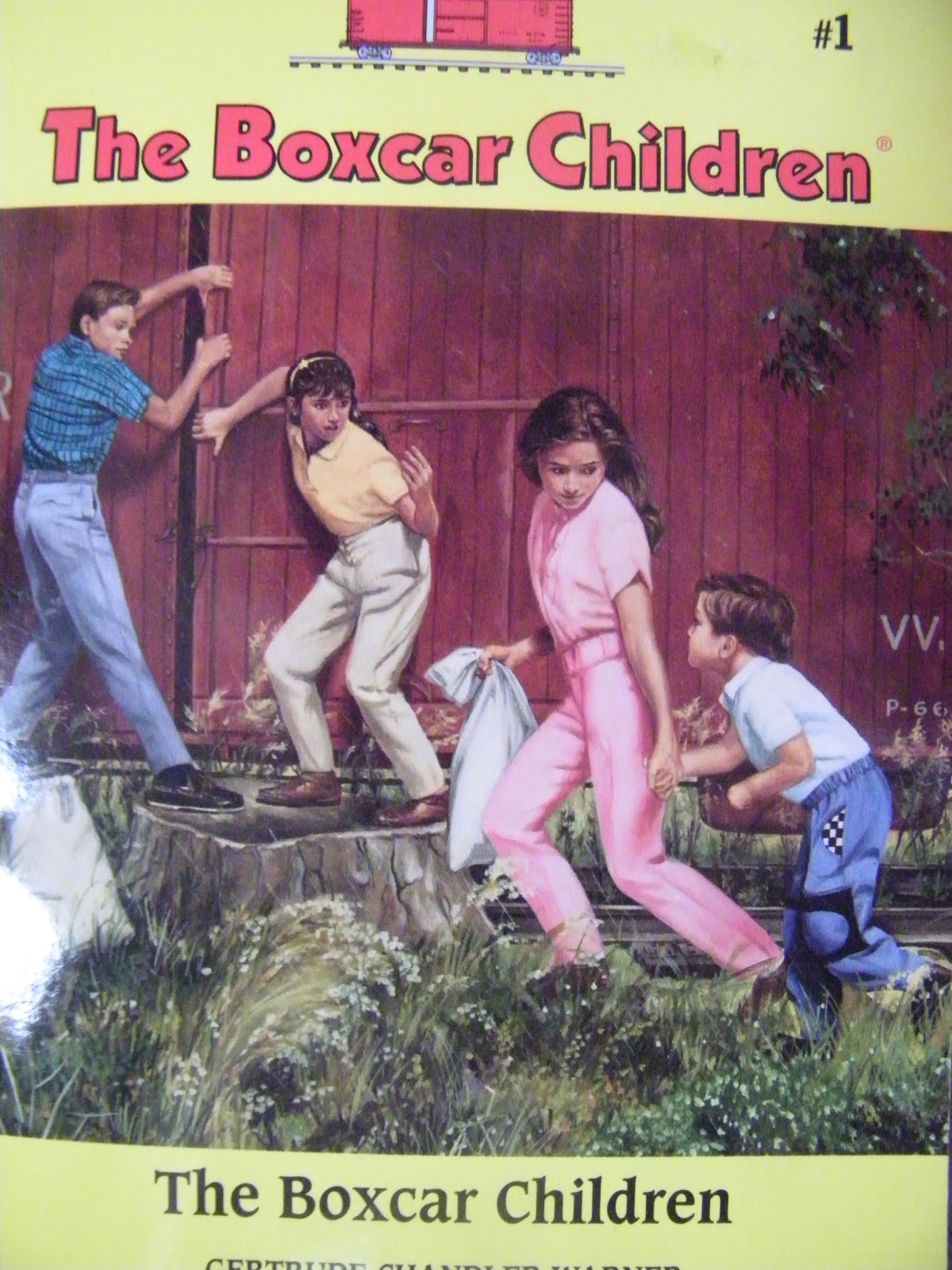
The Boxcar Children by Gertrude Chandler Warner

The Magic Tree House by Mary Pope Osborne

Where the Red Fern Grows by Wilson Rawls

Chicken Soup for the Soul

Little House on the Prairie by Laura Ingalls Wilder

Two of a Kind Series

American Girl Historical Books

Old Yeller by Fred Gipson

Roll of Thunder, Hear My Cry by Mildred D. Taylor

Shiloh by Phyllis Reynolds Naylor

The Alice Series by Phyllis Reynolds Naylor

Tangerine by Edward Bloor

Number of the Stars by Lois Lowry

To Kill a Mockingbird by Harper Lee

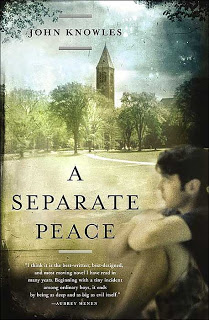
A Separate Peace by John Knowles

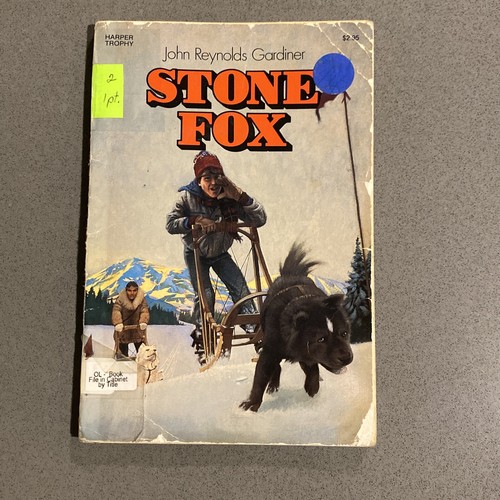
Stone Fox by John Reynolds Gardiner

Holes by Louis Sachar

The Adventures of Tom Sawyer by Mark Twain

The Old Man and the Sea by Ernest Hemingway

How the Grinch Stole Christmas! by Dr. Seuss

Here is to Friday night football games and learning.

American Wealth

Kiel James Patrick Image
A new feature where you can hear the blog post instead of reading it. Sort of like a podcast but way shorter and less formal. (You may hear my neighbors in the hallway at some point).

By: Gabriela Yareliz

“I arrived with $20 I borrowed. I was clutching it in my hand. I didn’t even put it in my pocket because I didn’t want anyone to steal it,” he told me. I leaned against the elevator door frame while listening to his story about how he arrived to the United States in the 1980s as a refugee with pretty much nothing but the clothes on his back. Now, he is a successful contractor, owns more properties than I can count on one hand and has cultivated a beautiful family. What were we talking about? In a way, one could say American Exceptionalism.

You may roll your eyes or hate that the United States is referred to as America (but as this is from an American point of view (my point of view), we will refer to it as the locals do. For our intents and purposes, this is America. Affectionately known as, ‘Merica.) I have had thoughts about this spinning in my mind for a while. The decline of America is on everyone’s lips. Maybe that always happens in moments of crisis? Or maybe our new-found idiocy has caught up with us– I don’t know.

Between conversations from everyone to my friends, my super, colleagues and judges and everyone in between– I don’t think I am the only one thinking about what American Exceptionalism really means. Does it exist? (Unsurprisingly, I think so.) If it did, have we lost it? And if we lost it, how can we get it back?

I have a lot of thoughts about aspects of my growing up and education here that differ greatly from foreign-born and foreign-raised friends. Stuff I want to look at more closely. But the title of these thoughts (that may turn into a mini series here) is not American Exceptionalism, it is American Wealth.

There are a lot of things that people say that make America exceptional: the opportunity and economic system that encourages entrepreneurial culture, education, the labor market, what was once a growing population, work ethic, what was once energy independence, the environment, a smaller government than most nations (in other words, a government that stays out of your business), and a republican government style where parties compete. (Source) Some of these things remain true today and some do not, given the current political climate.

I do want to focus on American Wealth, specifically. We have a funny relationship with money, most of us. Most of us treat it like it is scarce. We try to act like we are so poor as our online orders arrive at our doorstep.

Lately, it feels like a lot of politicians are trying to cause division by always reminding us of the differences between the classes (and don’t get me wrong, I know the differences exist)– class strife has always been a thing and definitely had its moment in different periods in history. Class strife has led to the overthrowing of entire government systems. *cue the guillotine chop*

Definitely, as we grew up in schools, especially if you don’t have as much as others, you are taught to see money with a certain mindset, and we learn to see people who have money with a certain mindset or judgment. (Greedy people!) I feel this is a conversation that has come up a lot for me recently, especially with an impending recession and a lot of people struggling. I have this conversation 20 times a day, even with clients.

Oftentimes, it is the people with money who get blamed or are seen negatively, because it is not hurting them as much or they are seen as exploitative. Meanwhile, these same people are often creating jobs and keeping the economy going. I truly think that sometimes people just look at the fact that they don’t have what others have, and they think that is exploitative. And yet, if given the opportunity to have what others have, they would take it in an instant. I know people who hate landlords and want to abolish private property, but if they could have their own penthouse, they sure as hell would.

This mindset toward the wealthy is not about exploitation. The truth is that sometimes people had opportunities that they took or family members who took those risks and broke their backs building something (and yes, probably not alone, but still, management and expansion is a skill). (And this isn’t to say that poor people don’t break their backs working. Many do for a time). In some instances, if we had the same opportunities of those we criticize, we would have taken them. Sometimes, we or our families didn’t because of disparities and such, but also, I can say we can sometimes look at the past and see that people made their choices. Maybe they chose pleasure over work, or they squandered opportunities out of instability. (People often choose in the best way they know how, but it doesn’t mean it was or is beneficial). Decisions have consequences, and while we aren’t all born rich, I do think that there is enough to go around for everyone. There are opportunities we can grab to make our futures a lot better, so that the people who follow us will look back and think, Hey this person made the smart choices.

These divisive mindsets people like to inculcate into people are often a lot of attitudes that keep people down, and if not down, it at least keeps people in the same places. Even if something is true, that doesn’t make it constructive. And don’t get me wrong, I am not saying that life is fair. But listen, even when it is unfair– we have the God-given right to do something about it.

Despite all of the class strife that exists in this country, what I think is hilarious (and so true, by the way) is that here in the States, we really are the one percent of the world’s wealth (1%). The poorest person in the United States is so much richer than someone else in another country. (That is a fact). And so, in this series, what I will strive to do is (and it’s a little bit nostalgic), but we are going to go through American Wealth (sort of through the lens of my experience and the interesting people I have met). We will look at things that, if you lived in this country and experienced these sorts of things, that is a kind of wealth (and that doesn’t mean these things are limited to this country, but it’s the combination of them that makes it exceptional).

I hope it is something that makes us reflect and something that makes us grateful. I think that gratitude is really important to move forward into something better. Maybe it will remind us to love this place instead of destroy it. I don’t know. I still believe in the American Dream. Judge me if you want. But I know that upward mobility is possible. I have seen it. I have lived it.

Yeah, you have to seriously “bust your ass” as we say in NYC, and rely on God, but I really do believe that so many of us in this country, we have truly experienced wealth. We may not realize it because it’s not the old money wealth we always picture in our minds, but we have experienced wealth. Every single one of us. Not old money wealth, perhaps, but American Wealth for sure.

A Society of Cowards

By: Gabriela Yareliz

A society of cowards. Perhaps most of the ills in society can be traced back to a spiritual crisis in which we have eliminated God and have placed ourselves alone on the universe’s stage. And then, in the midst of the anarchy, we grow afraid.

We live in a society that craves a relative reality that doesn’t exist and yet tries to dictate certainty. As I was reading Courage is Calling by Ryan Holiday, I came across this passage:

“What if there was certainty, if there was a well-lit, well-defined path? If life were like this, no courage would be required.”

But the truth about this world is, “No one can tell you that your plan will succeed. No one can tell you what their answer to your question will be. No one can guarantee you’ll make it home alive. They can’t even tell you how far down the hole goes.”

Safety and certainty. Isn’t this was society looks for? Friendships have been destroyed and arguments have been had about this.

I believe we live in a time of zero accountability. Zero accountability for actions and zero accountability for words. People want what they want, consequence-free. LOL to that “reality.”

“The coward waits for the stairs that will never come. They want to know the probabilities. They want to prepare. They want assurances. They hope for a reprieve. They’re willing to give up anything to get these things, including this moment of opportunity that will never ever come back.”

Ryan Holiday’s words made me reflect. What am I waiting for? What assurances do I crave? What am I giving up in exchange for something that won’t ever come?

In many ways, I think we have allowed fear to take the driver’s seat in society and in our personal lives. It is the concrete block in our decision scales.

Holiday wrote, “If fear is to be a driving force in your life, fear what you’ll miss. Fear what happens if you don’t act. Fear what they’ll think of you down the road, for having dared so little. Think of what you’re leaving on the table. Think of the terrifying costs of playing small.”

What we should truly fear is not reaching our God-given potential. We are on the clock. None of us knows how much time we have left. The time we do have, we should be shedding the thin ideologies of the day and remembering the truth of the matter: God is with us. He stands before us, beside us and behind us. While fear is a human reaction, God repeatedly tells us, “Do not be afraid.” We need to feel the fear, and then move forward despite it. We must be grounded in truth not fear. Truth is a foundation for courage.

“Fear speaks the powerful logic of self-interest. It is also an inveterate liar,” Ryan Holiday writes.

He writes that self-preservation isn’t real. It is an illusion we delude ourselves with. There are no guarantees. Make a calculated bet and bet hard. Don’t fool yourself into thinking that you can have an extraordinary life while wallowing in fear. “We like to think we can have an extraordinary life by making ordinary decisions, but it’s not true. It is actually all the ordinary decisions– the safe ones, recommended by every expert, criticized by no one– that make us incredibly vulnerable in times of chaos and crisis.”

He continues writing, “All certainty is uncertain. You’re not safe. You never will be. No one is.” Imagine if we could really come to grips with this as a country. As a world. Man. “In putting safety above everything, we actually put ourselves in danger. Of being forgotten. Of never coming close. Of being complicit.”

Are we okay assuming this danger? Do we prefer it if it comes with an illusion attached to it? What will it take for us to wake up and be bold? Can we restore the virtue of courage where it belongs?

So many are emboldened in fallacies and error. If there was ever a time to stand up and fight for truth (actual truth not ideas that make us comfortable), the moment is always now. There can be no backing down. There can be no cowardice.

Our Internal Narrative

I wish you could smell my chamomile bunch.

By: Gabriela Yareliz

It’s a dark and rainy spring morning as I write this. It is so cool outside, which is refreshing after having woken up with allergies and swollen eyelids. (My allergies are killing me lately). I have my basil Beauty Pie candle going, and my pretty bunch of chamomile flowers on my entry table. (Thank you, love!)

This morning, as I was running away from the jumping oil in my frying pan as I was sealing my taquitos, I was listening to Lydia Millen Gordon, one of my favorite YouTube voices– ever. She is someone who invites people to dream. She makes me dream of what I want for myself, how I want to express my femininity, and how I want to cultivate my home and relationships.

Image from Lydia Elise Millen

Lydia was discussing how she gets attacked often by folks in the comments who tell her she lives in another world. That made me smile. People say that like it is a bad thing. I think anyone who has survived something awful and came out thriving knows what it is like to train the mind. We can train the mind to see what could be. We can shelter the soul from the harshness of the world or circumstance and see what we want to see. The weight of our choice is heavy, powerful and also exciting.

She mentioned, “You create a lot of your life and how you live your life in here [in your mind],” she said pointing at her temple. “A lot of people are allowing themselves to be restricted because of the way that they think.” And she is right. We are prisoners of our own making. Have you ever met someone where things are continually going wrong? (I have been there, too). While the circumstances may be so, I really feel like some people don’t catch a break because of their mindset.

People often lash out at others because someone else has demonstrated the resilience they have determined they do not have. And yet, with some work on the mindset, prayer and literal effort, they don’t realize they could have something better. They could inch closer to what they desire. And I don’t mean this in a material way but in a character way.

As I listened to Lydia, my mind went back to a dramatic example, but one that stands out strongly in my mind, Nelson Mandela. When you read his writings from prison, you know this man was free. I don’t remember specific quotes (though I am sure they are sprinkled throughout this blog because this blog has been in existence for just that long, see here and here)… but I remember finishing that book knowing for a fact that the mind is such a powerful thing. He was free. He didn’t see the walls around him. And in reading and learning that, I also intentionally tried to train my mind. I wanted that freedom, and I still work toward it, every day.

When people say that Lydia lives in a different world, I get that. In many ways, I think I have cultivated my own world. My mind is an active jungle and a sort of fortress to which I retreat often (I have written about that here). You have to be careful what you input into the mind because it affects the state of the mind. It affects what you achieve, what you believe and how you live and serve others.

I write this to say that the discipline of the mind has served me well. It is an ongoing conversation with myself. It requires diligence, exclusivity and intentionality, but it is well worth it.

Lastylemagazine.com

I recently heard a brilliant podcast with Ed Mylett. We are often just one decision away from success or moving closer to something we dream of. It’s what he calls The Power of One More. I love the way Mylett emphasizes personal responsibility and choice. So if we take the time to build our world and shape our future and our beliefs– if we take the time to decide who we will be and we keep the promises we make to ourselves (as Ed Mylett says), we can achieve and be more than we dreamed.

We can reach our God-given potential. Isn’t that the goal of life?

Take some time, while the summer rain falls, to take inventory of your mind and to build your own world, brick after brick. Don’t decide to be defeated. Don’t decide that you are done. Pick what your next move will be; open your awareness; and above all, be free.

Life is a game you must play to win.

The Same Voyage

By: Gabriela Yareliz

I watched Bon Voyage (Jean-Paul Rappeneau). It had been years since I had seen the film. It is one of intrigue. One where the upper class and average French life collides as the Germans are invading France. You see government officials in their reasoning for fleeing and surrendering, you see German spies, you see the protagonists trying to survive at all costs. I must say that one thing stood out to me: how little things have changed in the world.

The scenes of crowded streets with lines of cars evacuating to the next “safe” city. The upper class’ lack of concern, self-absorption, obsession with safety and simple desire to just return to Paris and go “back to normal” even if it means living with fascism. Those who were social climbers and how they lied and used others so long as it meant protection for themselves. The scenes where Germans walk into a cafe and start asking people for papers. Streets turned into refugee camps. Certain people paying for the mistakes of others. Communications blocked and censorship. The resistance. Secrecy. Manipulation and self-interest. It’s impressive to think that we can zoom in and take a look at different parts of the world, including the United States, and see these scenes played out in recent time. The absurdity of it all. The corruption of institutions. The lack of resolve from leadership. The lack of integrity from the people from which we need it the most. The way you learn to live with restrictions and learning who is trustworthy. Enduring what was once thought of as unthinkable.

Decades may pass, and names may change, but the world keeps on spinning, and so much stays the same. We keep taking the same trip.

Pack your bags, pay attention to the details as they unfold, and be ready. Bon voyage.

Summer Inspiration

Image via Pinterest

By: Gabriela Yareliz

It’s summertime. (Well, almost). The weather feels like it, and school in the South is officially out.

What has happened since we last met? I mean, Johnny Depp rightfully won his trial. Shakira and Pique are splitting. The news is in its typical tailspin, and gas and food prices keep going up. In a summer where we will need to make do with a lot less, my mind keeps going back to that Aerin Lauder quote, “More is more.” There is something about classic elegance that still has a hint of decadence and maximalism.

Summertime in New York makes me think of the Hudson Valley. (Ok, I think of the Hudson Valley in every season). But summer makes me think of the big and grand estates just north of the city. Stunning views, tree-lined streets. *cue Downton Abbey music* Bookshelves lined with old books that elegantly match. Porcelain figurines. Floral bedding spread. Glass double doors. Gardens as far as the eye can see.

Image via Pinterest

Lately, I am dreaming of that old world classic summer vibe. I am gathering inspiration from the following:

Aerin Lauder

Courtesy of Aerin

Ms. Lauder’s aesthetic is just magical to me. I love how she uses color, and how she sets a table like it is art (and her florals). (Fun tip from the person who often does her florals– use nonclear vases so that when the water clouds, it doesn’t mess up the beauty of the bouquet).

I also love how she frames her photos and artwork made by her children. She keeps her children’s art in the kitchen. Reminds me of when I had a wall of art done by little H in the kitchen/dining area.

Courtesy of Aerin

Kathy Hilton

Ms. Hilton (yes, of the family of the famous hotels) knows how to set a table and decorate her home. The woman has never been to a bank (they joked about this on Bravo), but she knows her lane.

Daily Mail

She throws these stunning parties and dinners. She said herself that guests should arrive about ten minutes late. They should never come early. In those last ten minutes, she circles around and checks the details of every setting and every piece. It’s all about relaxed precision.

How to host a holiday party like Kathy Hilton has some transferrable wisdom for any season.

Mary Orton

Mary Orton has impeccable taste in home decor, fashion and beauty. She writes for her page Memorandum, which is spilling over with great info and recs.

Image via Memorandum

We can borrow a page from the old world maximalists. They rarely were about consumption of the new, but they creatively used the old to make their day-to-day living art.

William Morris said, “If you want a golden rule that will fit everything, this is it: Have nothing in your houses that you do not know to be useful or believe to be beautiful.”

I am dreaming of a summer filled with beauty.

If you are game to follow the home and living rabbit hole, find more interior design inspiration here (LuxDeco).