What a month. We lived intensely in June, and it flew by. This month started with a popping party in Staten Island. It was a blast. I met the incredible Tina Forte and Scott Lobaido out there. I got nostalgic and remembered Jell-o, and there were like thirty photos of Jell-o on my phone.
recipeboy.com
We went to the Puerto Rican Day Parade. The weather was perfect. I finished the Pilates with Bryony Summer Camp. I went to the doctor for my annual blood work. Here is your reminder to do the same.
We watched the Stanley Cup Playoffs and after the NY Rangers got knocked out, our loyalty transferred to the Florida Panthers who SLAYED. Coach Paul Maurice is incredible. Loved watching his pressers. He shared a lot of wisdom and kept his cool looking at the big picture. I loved his focus on discipline and how he didn’t succumb to emotions. Preparation is the biggest key to confidence, and this team defined this. They were grinding and locked in. Maurice got his Stanley Cup after decades of persistance. What a historic moment. Well-deserved.
thehockeybeast.com
I read some great books. My favorite was Fast Like a Girl by Dr. Mindy Peltz. I traveled to the flat plains of Columbus, Ohio for a conference. I slept less than I should have. I don’t know what I will do with the absence of games gone into overtime.
I am looking forward to some cool biohacking experiments in July and maybe a fake tan?
This month’s top post was The Athletes. A steamy July awaits us. The rain is pouring outside as I write this…
Here are the month’s favorites:
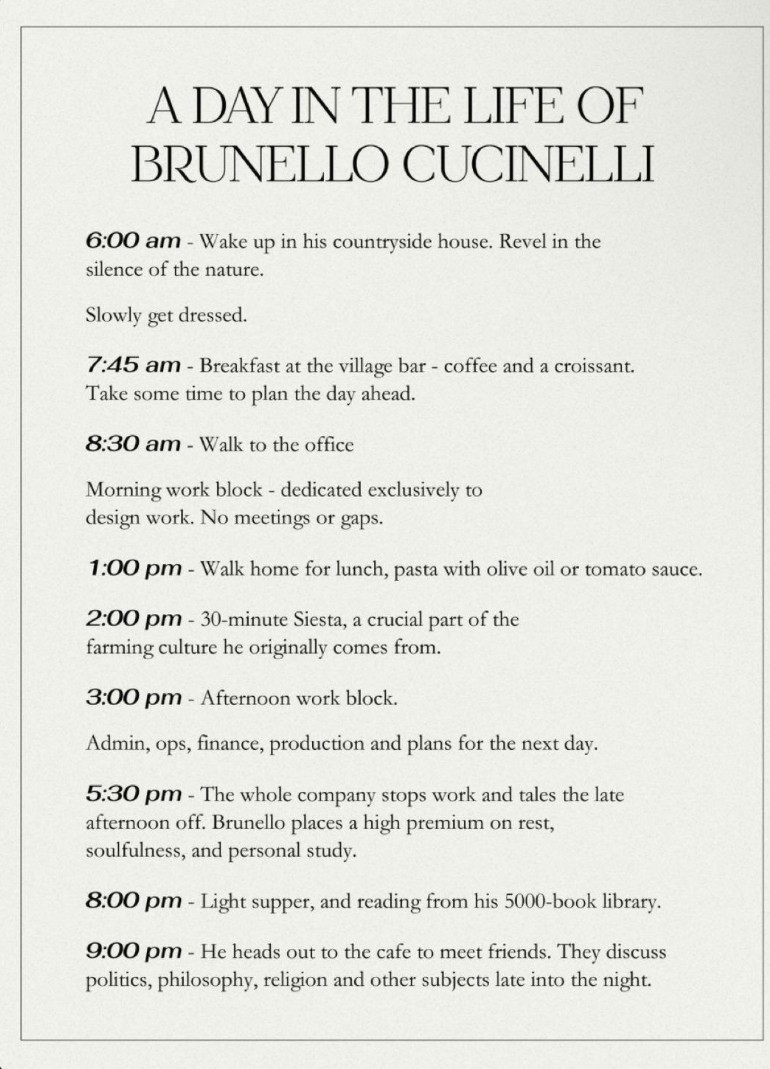
I want his library.
Quotes
“What doesn’t transmit light creates its own darkness.” Marcus Aurelius
“I knew this miracle was for me. Has it been painful? Yes because every miracle is.” Edie Wadsworth
“It seems to me that if we love, we grieve. That’s the deal. That’s the pact. Grief and love are forever intertwined. Grief is the terrible reminder of the depths of our love and, like love, grief is non-negotiable.” Nick Cave
“You know, a man ain’t worth a damn if he can’t cry at the right time.” Lyndon Baines Johnson
“I seek beauty, that’s what really feeds my soul more than a sound bath or a meditation session.” Lauren Santo Domingo
“Give a man a purpose and the ability to achieve, and he will crawl over broken glass with a smile.” Chris Williamson
“Discipline is the currency of confidence.” Zach Pogrob
“When you were made a leader, you weren’t given a crown; you were given the reponsibility to bring out the best in others.” Jack Welch
“You never know what worse luck your bad luck has saved you from.” Cormac McCarthy
“Some of us didn’t need to wait four years to hear Fauci admit in front of congress that he made most of this sh*t up. We knew it from the start.” Jessica Kraus
“The man who does not read good books has no advantage over the man who cannot read them.” Mark Twain
“Daring to set boundaries is about having the courage to love ourselves, even when we risk disappointing others.” Brene Brown
“There is not a prison or jail built that can shut me up.” Steve Bannon
“If you want happiness for an hour– take a nap. If you want happiness for a day– go fishing. If you want happiness for a year, inherit a fortune. If you want happiness for a lifetime– help someone.” Proverb
“My best advice is to keep cracking your heart open. Where you feel like you’re closing toward your partner, open fully in vulnerability. Anywhere else you may be closing, just continue to open and explore.” VeesHoney
“Children are the living messages we send to a time we will not see.” John F. Kennedy
“Who stands firm? Only the one for whom the final standard is not his reason, his principles, his conscience, his freedom, his virtue, but who is ready to sacrifice all of these, when in faith and sole allegiance to God he is called to obedient and responsible action: the responsible person whose life will be nothing but an answer to God’s question and call.” Dietrich Bonhoeffer
Stuff (My favorite Paul Maurice moments + more…)
Nostalgic Commercials
More…
People who intrigue me
Lauren Santo Domingo
Paul Maurice
July starts now. Find that 4th of July Jell-o recipe…
I got dark circles under my eyes from all these hockey playoff games. I have loved every minute of it.
It has been so much fun watching the NY Rangers. They made it to the Eastern Conference Finals, and their season ended when they were defeated by the incredible Florida Panthers.
I enjoyed peppering my husband with annoying questions about hockey and watching the team inflate and deflate as the games progressed. You could tell when folks were hyped and also when they were exasperated and the other team had gotten under their skin and in their head.
Listen, the Florida Panthers were the better team, and I hope they take the cup. They had a steady level of attack that was admirable. The Florida coach knew what he was doing in putting everyone on the ice (even rookies) to fight on. I think a huge mistake on the NY Rangers’ part was putting so much in the hands of more popular and experienced players who did not come through (repeatedly). They were cautious and lacked precision. The only one who had precision was our goalie (bless Shesterkin).
I look forward to seeing the Rangers evolve and use lessons learned in this season. I think a lot of young players for the team, my fav Rempe included, have greatness in them. Now, it’s time to see whether they put in the work to bring it out.
Also, these coaches need chewing gum sponsorships. Nothing has made me want to chew gum more than watching Paul Maurice and Peter Laviolette chomp on their gum. Jaws of steel.
I think there is so much we can take from watching these incredible athletes play. Life asks us all the same questions— do we have the fight in us? How bad do we want what is on the other side of the pain, exhaustion and occasional defeat? Are we disciplined enough to endure and make it happen? Are we willing to give each other assists knowing no one can win alone? Will we be rattled by past and present or will we keep our eyes on the prize?
May– my favorite month. It is always action-packed with birthdays and holidays. What is not to love? I got to attend my new employer’s commencement ceremony in my full regalia, which was nostalgic. I made a new work bestie. I started reading Seduction by Robert Greene, and it is gold. (All of his books are). I stopped my Kennedys spiraling. (Soon to be resumed when I read the new CBK books).
I was late (thanks to the trains) and sprinting across Times Square and like 14 Michael Jackson impersonators on the reg. I also did the Pilates by Bryony Summer Camp Challenge. I am almost done with it. I started late, so I am behind a bit. Creativity flowed. My Notes app is full. I learned new things (which I loved). I completed Aggie Lal’s Hormone Challenge and started her biohacker course, Fit as F*ck.
For my birthday, I ate the best tacos and flautas of my life (thank you to my husband). I listened to so many podcasts. One of my new favs is the Foster sisters’ The World’s First Podcast. They always crack me up. Thoroughly enjoy the banter. Sara is my fav.
We went to the Memorial Day Parade, which was beautiful. I hadn’t sung some of those patriotic songs since elementary school. Ran through a thunderstorm and watched a lot of hockey and late night overtimes. (I got some next-morning assists from matcha). Got a new favorite hockey player since the age of 10– Matt Rempe– here’s to you, kid.
I watched the legal system and rule of law of this country crumble with the rest of us. But also see a new awakening in young people that is refreshing and gives me hope. There is always hope.
Summer is here. We are posting summer verses on Instagram every Wednesday @modernwitnesses_ (give us a follow). The posts of the month that got equal traffic were Morning Trains and Photo of the Year. Both speak for themselves. Glad folks enjoyed. In my book, it is officially summer. We have already turned on the AC or I would have quit pilates. #pilatesprincess
As usual, I read a lot of good stuff, so the quotes here are always gold. I hope they leave you inspired. Sending you blessings in June. I am grateful for the 3,000+ of you who read and visit and share your love. Happy start of summer!!
xx
Quotes
“We learn to think so that we can allow our inappropriate and impractical thoughts to die instead of us.” Alfred North Whitehead
“Only those who have learned the power of sincere and selfless contribution experience life’s deepest joy: true fulfillment.” Tony Robbins
“Spend each day trying to be a little wiser than you were when you woke up. Day by day, and at the end of the day, if you live long enough, like most people, you will get out of life what you deserve.” Charlie Munger
“Pessimists don’t change the world.” Jon Gordon
“MySpace literally had us randomly doing html codes at 14 like we had been in the CIA for years. Nobody remembers how we learned it, but all of us somehow just knew.” Melissa Joan Hart
“I’ve realized that people who let life happen to them really resent anything that reminds them of their passiveness. I cannot stress enough, that being an active participant in your existence is affirming. Consciously look after yourself please, you’ll be better for it.” @mxmsworld
“Get yourself surrounded by empowered humans who choose to weave gold out of every situation rather than playing victim.” Jessica Alix Hesser
“Both faith and fear demand you to believe in something you cannot see. You choose.” @thoughtful_scripter
“Choose not to be harmed– and you won’t feel harmed. Don’t feel harmed–and you haven’t been” Marcus Aurelius
“The goal for relationship is connection and love.” Edie Wadsworth
“Your thoughts are the best predictor of your future. If you transform your thinking you will transform your life.” Erwin Raphael McManus
“If we want gardens, we must become gardeners. If we want love, we must be loving. If we want change, we must alter our own course. If we want connection, we must reach. If we want place, we must be steady. If we want home, we nurture a house. If we want to love who we are, we must become who we most respect, and admire.” Unknown
“What people say about themselves does not matter; people will say anything. Look at what they have done; deeds do not lie. You must also apply this logic to yourself. In looking back at defeat, you must identify the things you could have done differently.” Robert Greene
“We cannot solve our problems with the same thinking we use to create them.” Albert Einstein
“We know the truth, not only by the reason, but also by the heart.” Blaise Pascal
“Man imagines that it is death he fears; but what he fears is the unforseen… what man fears is himself, not death.” Antoine De Saint-Exupery
“Living authentically requires us to be honest with ourselves and others. We can’t stay hidden and hope to experience the love we want. To love and to be loved is to know courage. It’s about embracing who we are, flaws and all. It’s to take a stand and say, ‘This is me. This is what I’ve got going. This is what I’m about. Take me as I am. I love me. And that’s actually what matters.’ Let that be the starting point as you step into the unknown. That’s what real courage looks like. Every time.” Rainer Wylde
“The degree to which a person can grow is directly proportional to the amount of truth they can accept about themselves without running away.” Leland Val Van De Wall
“If a man has not discovered something that he will die for, he isn’t fit to live.” Martin Luther King, Jr.
“Oftentimes, I find myself torn between savoring the world and saving the world. But then I realized that savoring must come first otherwise there would be nothing worth saving.” @Veeshoney
“Be inconvenient to the system dedicated to domesticating you, taming you, and keeping you cut down to size.” Rainier Wylde
“I am beginning to see that much of praying is grieving.” Henri Nouwen
“Go forward bravely, fear nothing. Trust in God; all will be well.” St. Joan of Arc
“A human being should be able to change a diaper, plan an invasion, butcher a hog, conn a ship, design a building, write a sonnet, balance accounts, build a wall, set a bone, comfort the dying, take orders, give orders, cooperate, act alone, solve equations, analyze a new problem, pitch manure, program a computer, cook a tasty meal, fight efficiently, die gallantly. Specialization is for insects.” Robert A. Heinlein
Every day, we have the opportunity to pray over people and quite literally change the course of their lives.
See, prayer gives God and heavenly angels the permission to intervene in lives where maybe that person has closed the door to it (or they aren’t intentionally seeking it). Our requests are honored. You can call for intervention over the most unknown stranger, and it happens.
We ignore and often forget the power of this.
Each morning, I have a designated list of people I pray for by name. I have it pretty much memorized. I add to it any weekly requests that make it into my phone notes from friends, family and community members on social media.
But then, there are my street people. Whether I am standing on a corner waiting to cross or in a train car, I pray for each person in my vicinity. If they look sad, I pray for joy and comfort. For all, I pray for safety and the guidance of divine angels.
I mention this to remind you to pray. Do this with me. Call in light.
If you are a teacher, pray for your staff and students; if a custodian, for every person who will walk through the area you cleaned; if an employee, for leadership; if an advocate, for your clients; if a mom, for your entire block and the parents around you— there is no shortage of people. And the world could use more prayer.
We can call in protection and dispel darkness. Prayer changes things. So does spreading kindness or a smile across the way. At the risk of sounding like one of my favorites, Mr. Rogers, pray for your neighborhood. It’s a beautiful day to send angels to walk alongside your neighbor.
Here we are speeding toward the Times Square train station, which is a non-stop circus. Each corner curiously serves a different genre of music. I heard an old black man sing “Stand By Me,” better than the original (as I ran past him); a man singing and dancing salsa with an enviable energy, and then, another man dancing with a skeleton (I wish I was kidding).
The thing is, you never know what you will get with a train. Even after you get on (sure of your progress), it changes identity on a whim. I was on an N train that turned into a W despite the unchanged sticker on it— no announcement. (Poor tourists or non-English speakers— all of us submerged into an unwanted chaos, exchanging glances).
Today, I was waiting for the express train (headphones in— knowing I won’t miss announcements because there are none), and a man next to me looked up at the sign that displays arrival times.
“Twelve minutes and running local?” He asked in disbelief. An express doing everything an express train should never do. Our eyes connected, so I joined the conversation to not leave him talking to himself. I recounted my experience with the train with the identity crisis. He shook his head. “Thanks, MTA,” he said in frustration. We ended the powwow, and I went back to my coaching call that he had interrupted.
I looked at the MTA app which suggested an actual express train was one minute away. I prayed it was true. Sure enough, it pulled up. We both glanced at each other and gestured with our hands a “thank God” motion. We hopped into our respective cars, speeding toward Manhattan.
I listened to my coach in my headphones talk about how we tend to be codependent and try to control and manage each other’s emotions instead of worrying about our own. If only I could control the trains… I thought.
Thankfully, thanks to the timely express this AM, I don’t have to.
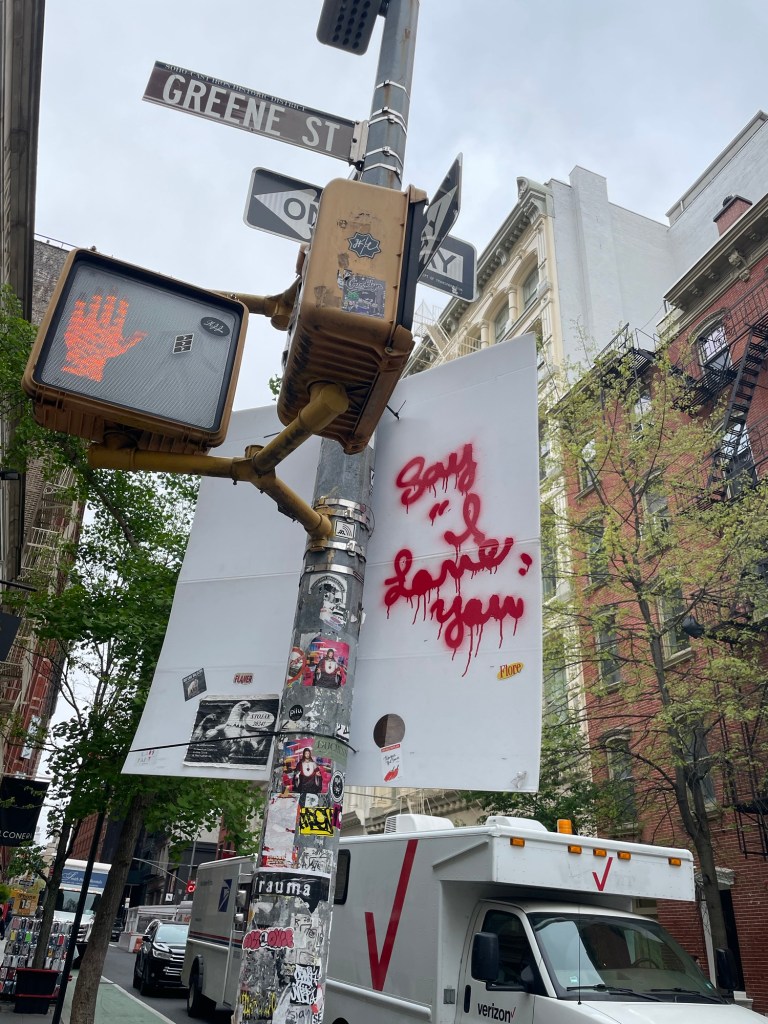
This is my photo of the dirty verizon truck and sign. Don’t be a copycat without credit!
I hope you enjoy my scrapbook vibe of a blog. There is so much here. I can’t wait to share. I have included some of my photos from my adventures throughout the apocalyptic month. It was a fun one!
The month started with an eclipse that brought all business to a (sanctioned) stop. People at work finally found a socially acceptable reason to stop working and not hide it. The eclipse. People busted out their paper glasses (which were probably repurposed 3-D glasses) and hoped to be in the “path of totality” (which sounds so fatal to me for some reason). I was distracted actually doing work, not watching the eclipse or tempting further blindness. I have way too many contacts at this prescription to be playing these games. Though I am pretty sure no one gets blind because almost everyone looks at it directly, and they are still with sight. (What they are doing with that sight is another question).
Following the planned eclipse was our NYC earthquake + aftershocks. This was more fun than the eclipse because everyone felt it, and there were no fake-dumb-money-grab glasses involved to experience it. (There was also the element of surprise!) I was in the middle of a call when it happened. About an hour later, we got the emergency alert on the phones. Ha. Never depend on those. For anything. It was too late and the instructions were flat out wrong (beyond questionable).
I was giddy when I took this. As I approached the chaos that was security, I saw one of my favorite writers through the window. I gasped.
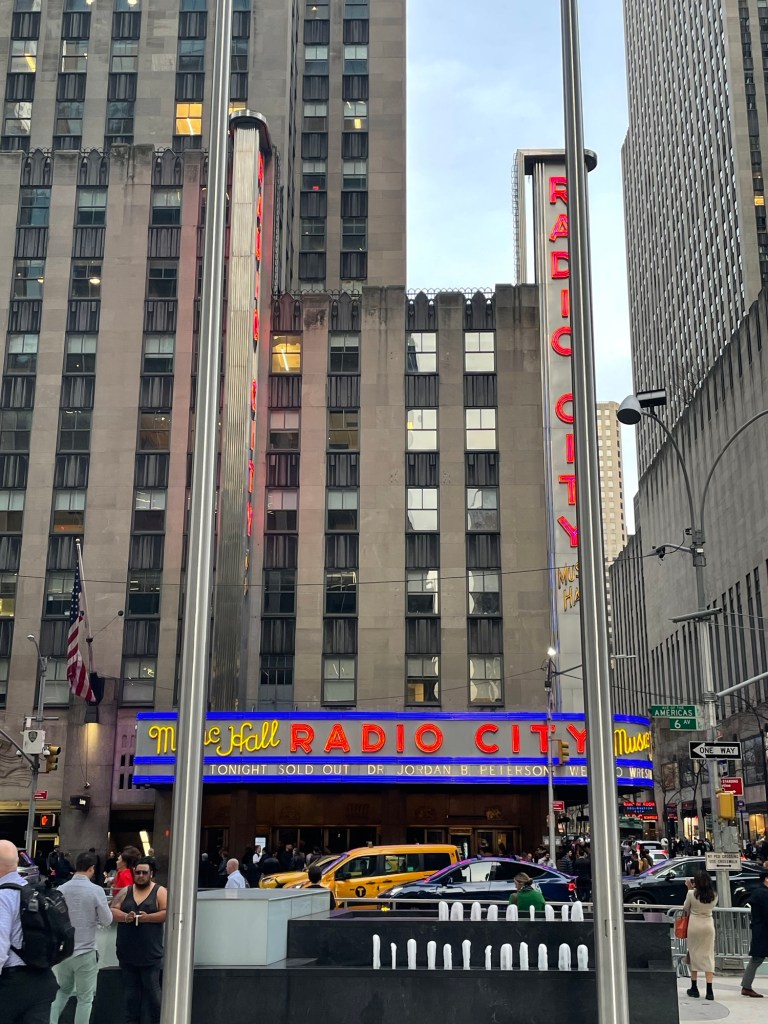
You know what else rocked my world? Seeing Jordan B. Peterson. That was incredible. It was a gift. I wrote about the JBP talk here (if you missed it). I sat next to a much older man who shared with me that his wife was not happy he was there. She did not “approve” of Dr. Peterson. “At least I am not gambling, doing drugs or at a strip club. I am here because I want to be a better man, father and husband,” he told me. I nodded as he explained himself earnestly. I could see the sincerity in his eyes. “I am glad you made it, and I am glad I am here, too. This will be good, ” I assured the stranger.
Speaking of growth, it is a season of transition for me. I am adjusting to a new chapter in life. I am also adjusting to a career pivot. This also means I have had to create passwords and new systems. I ran into a security question drop down menu that was so wild, I took a photo. I literally don’t know the answer to 90% of these on a good day. God help me. Why is this so complicated?
Who has a favorite movie quote? I have like 40 favorite movies.
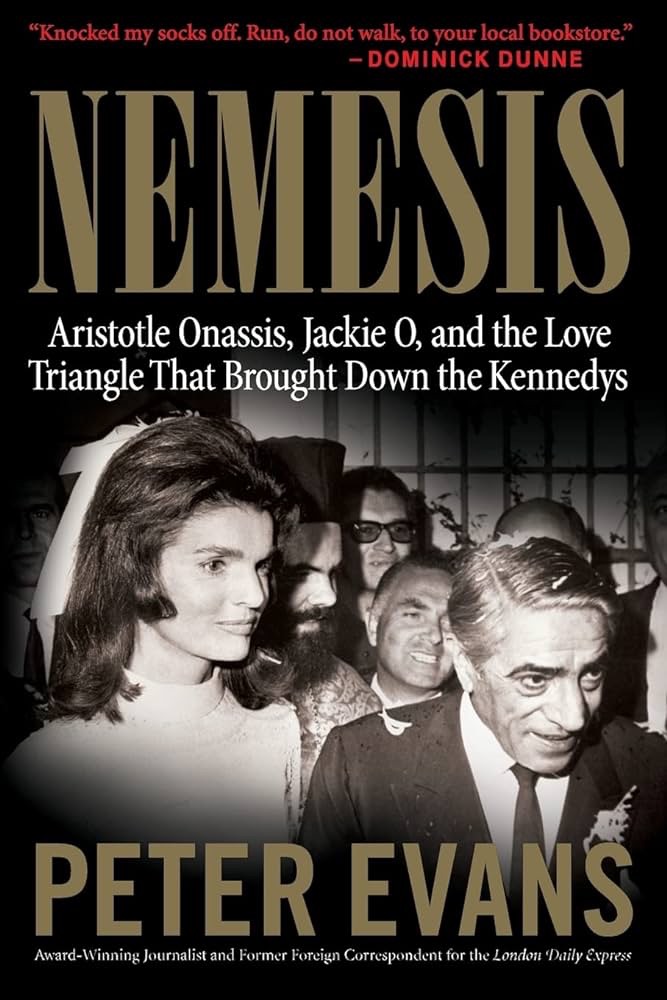
I read some incredible books this month. My favorite was Dilettante, by Dana Brown. Reading the book reminded me that I must eat at The Odeon. (There are so many good quotes this month. Some are from Dana Brown. Don’t sleep on the quotes below. They truly stayed with me and lingered throughout the month. So excited to share!) I am currently reading a book on the Kennedys that has left me shook. The chaos.
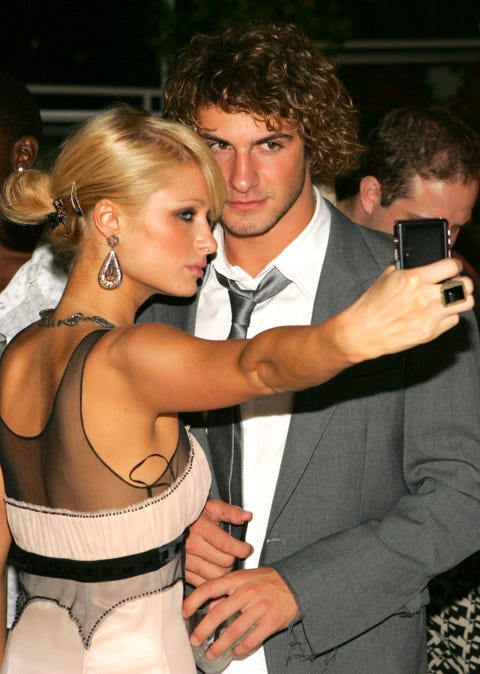
Aristotle Onassis’ first wife Tina slept with (and later married) her sister Eugenia’s husband, Stavros Niarchos (whose heir later dated Paris Hilton– me connecting the pieces in the book to the people I do know…).
Iconic. Image via Town and Country.
Onassis slept with both Jackie Kennedy (while she was still married to JFK) and her sister Lee Radziwill (he dated Lee before Jackie). Lee, not to be outdone, was sleeping with JFK while he was married to her sister Jackie. And JFK had his fun with Marilyn Monroe, and then passed her onto Bobby Kennedy who was with her the day she died (many questions about this…). What a disaster. It’s like a giant incestuous, murderous family. They don’t teach you this in history. Had I known this web in high school, I would have written a different essay for the JFK Profiles in Courage competition. Morality was truly just an illusion.
Another great book I read was Power Source, all about releasing emotions held in the pelvic floor. It was fascinating (and a must-read for men and women). I am sure there was a lot the Kennedys and Onassis clan could have “released” in that pelvic floor. (Collective exhale).
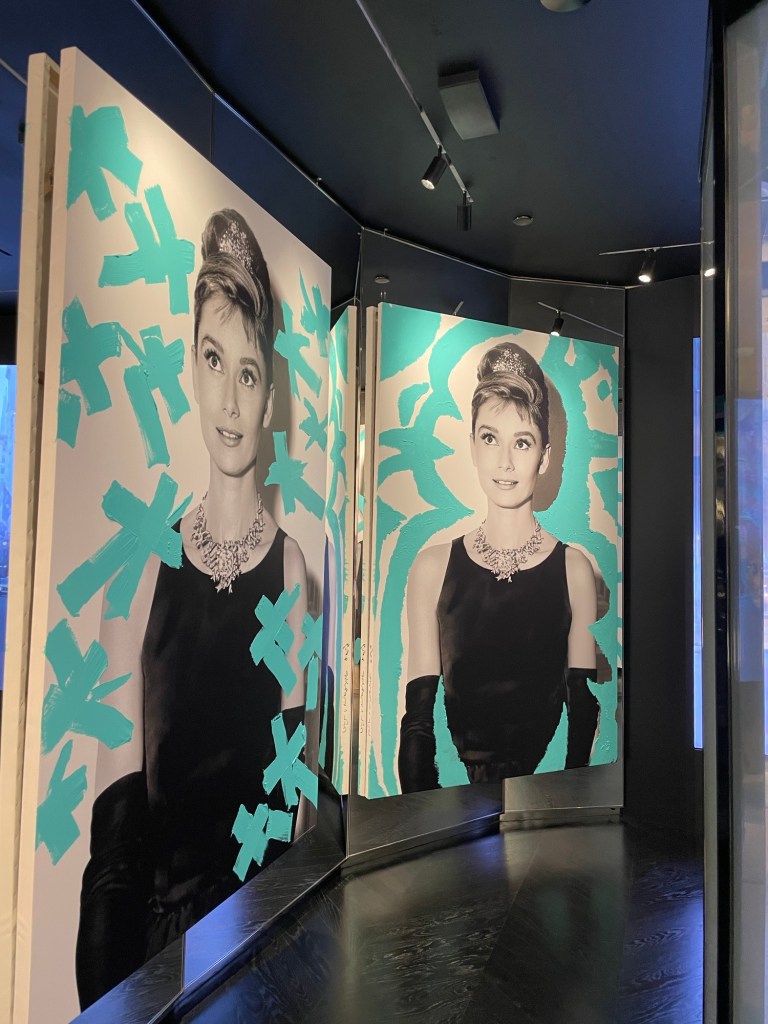
This month, when not reading, I attended the Greek Independence Day Parade and then my A and I went to Tiffany’s. It was so lovely. I saw the most gorgeous place settings that would make Mrs. Alice swoon.
I love a good ranunculus. This was a favorite of mine.
They had this fun area dedicated to my birthday twin, Audrey.
Speaking of birthdays– (those who know me, know I have theories on birthday months), this month and the next (known as Taurus season in new age circles or LA) holds several notable people’s birthdays. I would say those who have birthdays in these few weeks are a feisty bunch. There is my father, Kourtney Kardashian Barker, Ed Mylett, Penelope Cruz, Melania Trump, Candace Owens, Lilly Ghalichi, Garance Doré, Beth Kempton, Adele…
Speaking of Melania Trump, while at Tiffany’s, we saw Trump’s motorcade arrive. Fifth Avenue has been impossible due to his presence for the trial(s).
Sometimes, we can’t help inconveniencing folks. I, for one, ate breakfast on the train several times this month. I was that person. I didn’t care. My little matcha mornings wrecked me when I had caffeine.
One of my pilates platforms was up for renewal. When this happens, I decide whether to let it lapse and replace with something that will motivate me more or whether I have used the platform and it is working. I get bored easily with workouts, so to stay motivated, I need and keep variety.
This one platform was not my favorite, so I decided to let it lapse and not renew. I tried one platform for potential replacement (which I won’t name out of respect), and it was interesting. The form videos were cool (at-home workouts are always tricky when it comes to form), but the length and vibe were not it.
See, that’s the thing, there are so many factors– music, no music, audio, setting (is it a nice environment?), length, variety, challenges (I love challenges), is breath work included?, and general vibe. People have an energy to them. Some people make me anxious or they seem lost. Some are militant. Others seem relaxed or have humor. Melissa Wood Tepperberg is one I keep renewing because she is so sweet and love her vibe.
I know this will sound weird, but mentioning in case helpful– something else I look for in this fitness influencer age is how healthy are these peoples’ hormones? The founder and lead in my old platform I let lapse was constantly complaining of bad periods and hormonal acne and such. Her body was ripped (to her credit), but I feel pretty confident that the hardcore workouts were part of that disjointed hormone struggle. I have seen it before. How we move our body affects all of that. Trust your gut and your mind-body connection. I won’t lie that when I prioritized workouts from this platform, I had worse pain. This was also why I decided to let it lapse. The movement has to jibe with the body.
I canceled the app I was testing after the trial. Then, I decided to try a platform that is well-branded and British. It’s like the pilates pretty girl club (my words for it). Her energy is totally different. I like it so far. I think this will be the new workout platform with MWH. The lesson here is ‘Yes, you should be in the pilates pretty girl club. Don’t settle for some janky platform with bad lighting or a workout that will leave you and your hormones shaking for two weeks.’ Biohacking is about smarter not harder.
Life is too short for bad workouts. Also, life is too short to not have foamy drinks. I tried the Anima Mundi herbal powders this month. I mix them with a plant milk. They have been on my radar for a while, but after Melissa Wood went to The Alchemist’s Kitchen and raved about the happiness latte, I knew it was time to try the herbal mixes (clearly influenced). They are yummy. Also, today, I went and visited the kitchen. It was lovely.
My visit to the kitchen.
While I am not into the new agey aspect of some items in the shop, I do believe that herbs have healing properties and help us. It has been fun making yummy foamy drinks that calm and nourish. I will keep experimenting.
All the little bottles and potions.
All right. Let me end my month recap here. I hope you enjoy the favorites below. Thank you for sticking around and for loving learning, curiosity and growth alongside me. This month’s top post was Becoming Fascinating, which was my post about Henry Mercer. I loved writing and sharing this one, so I am delighted you all loved it just as much.
If you have more dirt on the Kennedys or Onassis clan, hit me up. Camelot never existed.
Me, currently.
Quotes
“Focus is how you knit the hours of the day together. With focus, the day becomes a beautiful tapestry. Without focus, you end up holding a bundle of loose string.” James Clear
“Without faith, I’m frantically trying to control what is not my business to control, and fix what is not in my power to fix… Without faith, I’m wasting time.” Marianne Williamson
“But the future does not have to resemble the past, no matter how many times it has before.” Vivek Ramaswamy
“There is another level with your name on it.” Unknown
“To imagine that something can be intellectual and sensual, pleasurable and painful, real and unreal, good and bad, masculine and feminine is too chaotic and disturbing for us.” Robert Greene on nuance (from Mastery)
“And maybe to deny evil is to be blind to our power, because we have the power to do good and evil. And when we deny that power, we justify our actions.” Erwin Raphael McManus
“If nothing saves us from death, may love at least save us from life.” Pablo Neruda
“The buying of more books than one can read is nothing less than the soul reaching towards infinity.” A. Edward Newton
“The world is indeed full of peril, and in it there are many dark places, but still there is so much that is fair, and though in all lands love is now mingled with grief, it grows perhaps greater.” J.R.R. Tolkien
“Don’t let your situation define you. Overcome your situation and define yourself.” Jon Gordon
“I am invited to play life at a higher level– to be strong where I have been weak, to be healed where I have acted from my wounds, to give love where before I withheld it.” Marianne Williamson
“I am here for every hurt and heartbreak because I am here for every joy.” John Stamos
“Wonder is the very engine of life.” Erling Kagge
“In order to think, you have to risk being offensive.” Jordan B. Peterson
“Absence, the highest form of presence.” James Joyce
“Our skeptical, cynical attitudes can actually cut us off from so many interesting questions, and from reality itself.” Robert Greene
“Language, and writing… it’s what makes us human, for better or for worse. Stories and narratives, have a way of taking hold and not letting go. Which is why the truth is so important. But narratives take hold whether they are true or not. Journalism is our guardrail. It’s our story, the official record of humanity. When it’s called into question, attacked or practiced in bad faith, then the truth becomes subjective, and as a result, everything falls apart.” Dana Brown, Dilettante
“Don’t think about why you question, simply don’t stop questioning. Don’t worry about what you can’t answer, and don’t try to explain what you can’t know. Curiosity is its own reason. Aren’t you in awe when you contemplate the mysteries of eternity, of life, of the marvelous structure behind reality? And this is the miracle of the human mind– to use its constructions, concepts, and formulas as tools to explain what man sees, feels and touches. Try to comprehend a little more each day. Have holy curiosity.” Albert Einstein
“In life, one has a choice to take one of two paths: to wait for some special day or to celebrate each special day.” Rasheed Ogunlaru
“The only things guaranteed in life are birth and death, and everything in between should be a celebration. Honor your past, live in the present, and don’t be afraid of the future. And for f***’s sake, have fun along the way.” Dana Brown
“Good and evil both increase at compound interest. That is why the little decisions you and I make every day are of such infinite importance. The smallest good act today is the capture of a strategic point from which, a few months later, you may be able to go on to victories you never dreamed of. An apparently trivial indulgence in lust or anger today is the loss of a ridge or railway line or bridgehead from which the enemy may launch an attack otherwise impossible.” C.S. Lewis
“Hope is rarely rooted in reality. Hope is rooted in something that does not exist.” Erwin Raphael McManus
“The city may suffer in the short term, and be fundamentally changed, but will somehow be okay because it’s New York. And New York never turns its back on you. I can’t wait to see what these kids do with the place.” Dana Brown
“People can help you in many ways throughout life, but there are two things nobody can give you: curiosity and drive. They must be self-supplied.
If you are not interested and curious, all the information in the world can be at your fingertips, but it will be relatively useless. If you are not motivated and driven, whatever connections or opportunities are available to you will be rendered inert.
Now, you won’t feel curious and driven about every area of life, and that’s fine. But it really pays to find something that lights you up. This is one of the primary quests of life: to find the thing that ignites your curiosity and drive.
There are many recipes for success. There is no single way to win. But nearly all recipes include two ingredients: curiosity and drive.” James Clear
“The American experiment was always a test of whether a diverse group of people could govern themselves and be free, and many of us have decided the results are in and the answer is no. […] the decline of an empire is nothing to mourn. The decline of a nation is a different matter.” Vivek Ramaswamy
“You can only create beauty with hope.” Erwin Raphael McManus
“The way we breathe is the way we live. Breathe deep.” Power Source, pg. 107, Lauren Roxburgh
“There is nothing noble in being superior to your fellow man; true nobility is being superior to your former self.” Ernest Hemingway
“You cannot wait for it to get quiet. Not in New York, nor anywhere else. You must create your own silence.” Erling Kagge
“Life really does begin at forty. Up until then, you are just doing research.” Carl Jung
“Instructions for living a life: Pay attention. Be astonished. Tell about it.” Mary Oliver
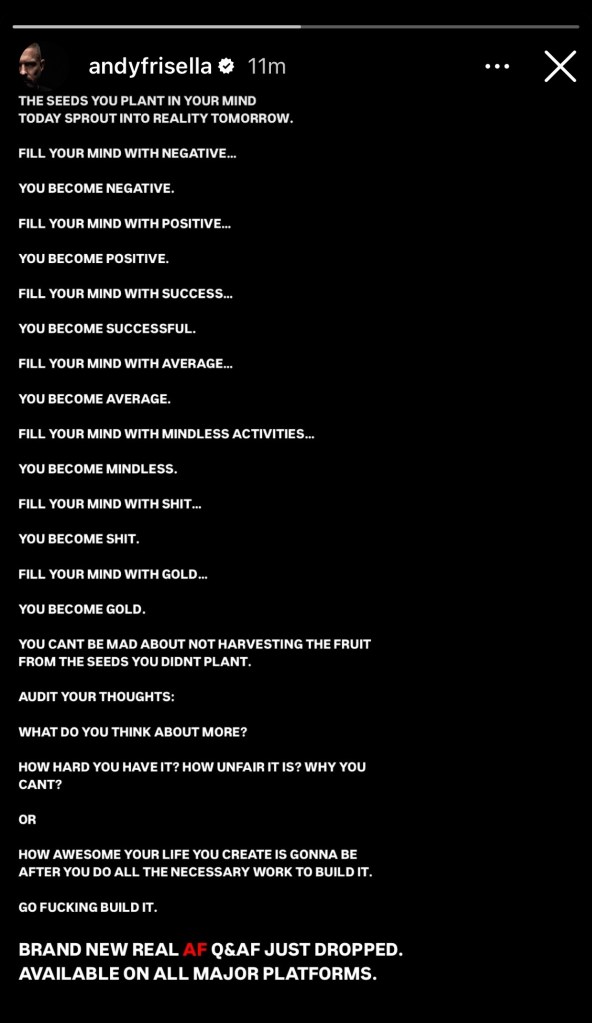
“If we want the world to get better… we have to stop asking if it is offensive and instead ask if it is true.” Andy Frisella
“A beautiful life is not stumbled upon, it is built. It is chosen. It is nurtured over the years. A beautiful life is made from the heart, not the head. It is not one we can rationalize our way into, it’s one that must be felt. A beautiful life is not one that is immediately comfortable, but one grown through the acknowledgement of what is worth being uncomfortable for. It is not one that is easy, it is one that is worth it.” Unknown
“No matter what’s happening in the world, have your tea, make your list, plan your food preparation, read to your children, wash the clothes, do something creative for everyone and be a light for your home.” Lydia Sherman
“Experience is not what happens to you, it’s how you interpret what happens to you.” Aldous Huxley
I am currently binging the Dr. John Delony Show. Here is a sample taste (some of the calls are wild…)
This compilation:
This interview (Tulsi is gold!)
This Ed Mylett Podcast:
A fun episode. Forever a fan of Elena and Lauryn:
People Who Intrigue Me
Bryony Deery
Aggie Lal
May is my month. I am so excited to start the new month and grow in so many ways. I’ll keep you all updated on the Kennedys (kidding, but sort of not).
“Isn’t the point of religion for us to access an aspect of ourself that is connected to a force that allows us to discern moral truths that enable us to live well, materially? To have relationships with one another that are guided by principles other than spite, vengeance and vendetta. And ultimately, the most powerful voices and the most powerful forces on our planet begin to be deployed to assuage and de-amplify violence rather than facilitate further violence.”
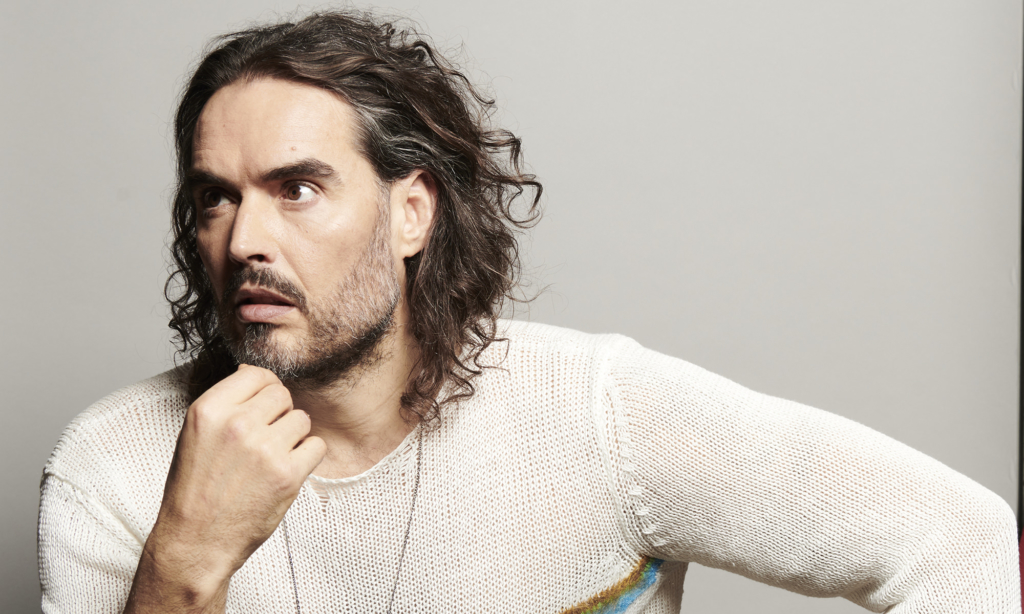
Russell Brand
Russell Brand announced on his Instagram that he was baptized this Sunday. He described the spiritual experience as “incredible and profound,” and he described the level of peace that he felt. It was so fascinating to hear him discuss the tranquility and transcendence he felt. He described it as “overwhelming.”
“Many aspects of it were very intimate and personal. The truth is this. As a person that has in the past taken many many substances and always been disappointed with the inability to deliver the kind of tranquility and peace and even transcendence that I’ve always felt I’ve been looking for, something occurred in the process of baptism that was incredible, overwhelming.”
I’ve been following Brand’s journey for years, and more recently his journey into Christianity. It has moved me. I was a fan even when he was in his post-junkie, celebrity phase. That movie he did with Jennifer Garner, Arthur, is iconic. (The only person who shares my beliefs about horses).
The thing that has drawn me to Brand, always, even when I disagreed with him, was always his sincerity in his seeking for truth (and his sense of humor). I have loved his journalist phase. His show brings out often-suppressed facts with his wit and sense of humor. He isn’t afraid to bluntly call out the hypocrisy of our leaders and governments and to ask questions. He exemplifies curiosity and rebellion toward the imposed status quo. I hope he never loses that.
Unlike what many think, I don’t think true religion domesticates us. Rather, I believe it makes us wild and truly free. It makes us courageous. It makes us bold and mission-driven.
I hope he stays on the edge, questioning ideas, norms and traditions, while being set free and transformed by a deeply personal God, who is Jesus.
It will be exciting to see how his voice continues to shape itself with each passing discovery. A transformation all we who choose this journey undergo with humility. No day is the same in a spiritual journey. The fact that he seeks truth so passionately has led him here. I am sure it will take him to places beyond his wildest thoughts, as it does for all of us.
I’m glad you have found His peace, Russell.
As he mentioned earlier– it is no longer him but a “force,” as he calls God, working through him.
I am reminded that truth is ready to reveal itself to anyone looking. May we all stay on the path seeking truth. There is nothing more important that this. It is a matter of life and death. There are exciting times ahead. So much crumbles, but there is still so much to be seen in the power of God. While some things submerge into chaos, other things will rise in the storm.
I love an iconoclast who submits only to a power and audience of one. Brand, welcome to the roller coaster. As Erwin McManus says– the idea that we are safe in the will of God is contrary to Scripture. No one is “safe”. God doesn’t operate on “safety.” Hold on tight, because we are all in for a wild ride. What a privilege to be alive in these times.
Let’s do this.
“Aslan is a lion- the Lion, the great Lion.”
“Ooh” said Susan. “I’d thought he was a man. Is he-quite safe? I shall feel rather nervous about meeting a lion”…
“Safe?” said Mr Beaver …”Who said anything about safe? ‘Course he isn’t safe. But he’s good. He’s the King, I tell you.”
Our coaching session on the human intrinsic of “progress” was incredible, and I wanted to share the beautiful thoughts I gathered from this session from the group and from Erwin McManus:
-Every human has a need for progress.
-“Make sure you have some area in your life where you are taking control of your progress, and you find it enriching and satisfying.”
-Even if it is just perceived progress– it elevates.
-“Hope is rarely rooted in reality. Hope is rooted in something that does not exist.”
My favorite thought:
When people have progress, they don’t feel disdain or hate for others. Instead, they feel abundance. When people hate the progress of others, it’s because they have become convinced that the progress of others somehow takes away from them.
-Don’t be held back by the failures of the past.
-You are designed for growth. Contentment is not being happy with what you have (or more people would be content). It’s about joy and contentment in who you are becoming and the world you are shaping.
-Focus on the person you are becoming.
-They can beat the belief out of you that progress is possible, but they can’t change the fact that you are designed for progress by God. That they can never remove from your soul.
-Being blocked from progress leads to trauma and depression.
We are designed and created for progress. Who are you becoming and where do you feel the satisfaction of your growth? If you aren’t sure, it is time to be intentional.